


Light Truck
What Is Light Truck
A light truck is a classification of trucks used for various purposes, typically smaller than medium and heavy-duty trucks. They are designed for lighter loads and are commonly used for personal transportation, small business deliveries, and light commercial applications. Light trucks include pickup trucks, vans, SUVs, and some types of minivans. They are built on a truck chassis but are generally smaller in size and more maneuverable than their heavier counterparts. These vehicles are powered by internal combustion engines and can be equipped with four-wheel drive for off-road capabilities or two-wheel drive for on-road use.
Advantages of Light Truck
Versatility
One of the primary advantages of light trucks is their versatility. They can be used for a wide array of tasks, from hauling goods and equipment to serving as a family vehicle for everyday use. With the addition of specialized accessories or attachments, light trucks can be adapted for even more specific applications, such as landscaping, construction, or off-road adventures.
Payload capacity
Light trucks generally offer impressive payload capabilities, meaning they can carry significant amounts of weight in their cargo bed. This makes them ideal for transporting bulky items, tools, materials, and equipment that would be impractical or impossible to fit into a standard car or suv.
Towing capability
In addition to their payload capacity, light trucks often boast strong towing abilities. Many models are equipped with powerful engines and sturdy frames designed to pull trailers, boats, campers, and other heavy loads. This feature is particularly beneficial for those who need to transport recreational vehicles or equipment regularly.
Off-road performance
Light trucks are typically built with four-wheel drive or all-wheel drive systems, which provide enhanced traction and control on rough, uneven surfaces. This makes them well-suited for off-road adventures, allowing drivers to explore rugged terrain with confidence and ease.
Durability and reliability
Light trucks are designed to withstand the rigors of daily use, including exposure to harsh weather conditions, rough roads, and heavy loads. Their sturdy construction and reliable performance make them a dependable choice for both personal and commercial use.
Fuel efficiency
While some light trucks may consume more fuel than smaller cars, advancements in engine technology and aerodynamics have improved the fuel efficiency of many newer models. Additionally, there are now more options available for eco-friendly or alternative-fuel light trucks, providing consumers with greener transportation options.
-
 HOWO Water Truck10000L 4× 2 Sinotruk HOWO Water Truck 10 Tons Water Sprinkler 10m³ Water Tank TruckAdd to Inquiry
 -
 Howo 4X2 Light TruckBrand New Sino Truck HOWO 4x2 Light Truck RHD With 15ton Ladder Model:ZZ1167G4715D1R Cabin:2080 rowAdd to Inquiry


- Tel: +8616678784677
- Email: export@sinotruks.net.cn
- Add: No.17670, Panwang Road, Zhangqiu District, Jinan City, Shandong Province, China.
Why Choose Us
High quality
Our products are manufactured or executed to a very high standard, using the finest materials and manufacturing processes.
Advanced equipment
A machine, tool or instrument designed with advanced technology and functionality to perform highly specific tasks with greater precision, efficiency and reliability.
Quality control
We have built a professional quality control team to accurately inspect every raw material and every production process.
Customized services
We understand that each customer has unique manufacturing needs. That’s why we offer customization options to cater to your specific requirements.
One-stop solution
At our manufacturing facilities, we provide a complete package that includes everything required to get you started, including training, installation and support.
24H online service
We try and respond to all concerns within 24 hours and our teams are always at your disposal in case of any emergencies.
Types of Light Truck

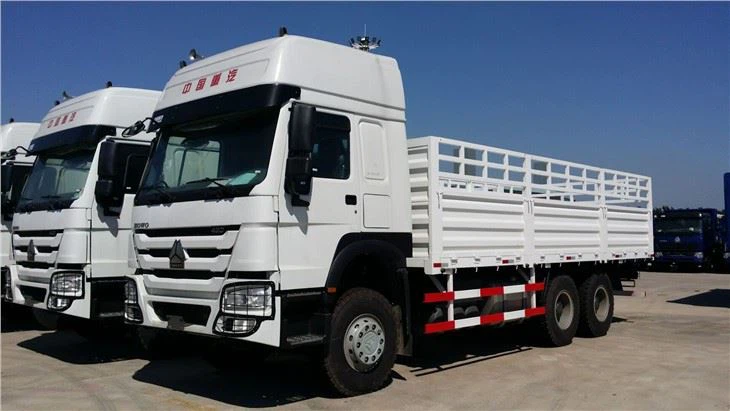
Pickup trucks
Pickup trucks are one of the most popular types of light trucks. They feature an open cargo bed and a passenger cabin, making them ideal for transporting goods and equipment. They come in various sizes, from compact to full-size, and can be equipped with four-wheel drive for off-road capabilities.
Panel vans
Panel vans are enclosed cargo vans that are commonly used for deliveries. They feature a flat floor and high walls, making them ideal for transporting goods and equipment securely. They come in various sizes, from small vans to large cargo vans.
Cab chassis
Cab chassis trucks feature a cab and a frame but no cargo body. They are commonly used for customizing and building specialized vehicles, such as service trucks or tow trucks. They can be equipped with a variety of bodies, including flatbeds, box trucks, or dump bodies.
Step vans
Step vans are enclosed cargo vans that are commonly used for deliveries and service work. They feature a high roof and a step that allows workers to easily access the cargo area. They come in various sizes, from small vans to large cargo vans.
Utility trucks
Utility trucks are light trucks that are designed for a wide range of applications, from landscaping to construction. They feature a cargo bed and a variety of tools and equipment, such as winches, cranes, or snowplows. They come in various sizes, from compact to full-size.
Minivans
Minivans are smaller passenger vans that are commonly used for transporting people and goods. They feature a spacious interior and can be equipped with various features, such as removable seats or storage compartments.
Sports utility vehicles (suvs)
Suvs are larger passenger vehicles that combine the features of a car and a truck. They feature a high ground clearance and a spacious interior, making them ideal for off-road adventures and family transportation.
How to Store Light Truck
Clean the truck
Before storing, thoroughly wash and dry the truck. This removes dirt, road grime, and salt, which can cause rust and corrosion. Pay special attention to the undercarriage, wheel wells, and any areas where mud and debris can accumulate.
Check fluids and tires
Ensure all fluids are at the correct levels and are fresh. Change the oil if it’s due for a change. Check the tire pressure and inflate them to the recommended levels. If the truck will be stored for an extended period, consider using tire savers or jack stands to take the weight off the tires to prevent flat spots.
Fuel and battery maintenance
Fill the fuel tank to prevent condensation buildup inside the tank. Add a fuel stabilizer to keep the gasoline fresh and prevent ethanol from separating and gumming up the fuel system. Disconnect the battery or use a trickle charger to maintain its charge if the vehicle will be stored for more than a month.
Lubricate moving parts
Apply lubricant to all moving parts, including door hinges, latches, and the suspension system, to prevent rust and ensure smooth operation when the truck is taken out of storage.
Protect from moisture
Store the truck in a dry place to protect it from moisture, which can lead to rust and mold. If outdoor storage is unavoidable, use a waterproof cover and elevate the truck on jack stands to keep it off the ground.
Use a car cover
A high-quality car cover can help protect the truck from dust, bird droppings, tree sap, and uv rays. Choose a breathable cover to prevent condensation underneath.
Consider climate control
If possible, store the truck in a climate-controlled environment to protect it from extreme temperatures and humidity. This helps prevent metal parts from expanding and contracting, which can cause cracks and leaks.
Regular checks
Even when the truck is in storage, it’s important to check on it periodically. Start the engine and let it run for a few minutes to circulate fluids and recharge the battery. Inspect the truck for any signs of pests, rodents, or moisture damage.
Application of Light Truck
Personal use
Light trucks, particularly pickup trucks and suvs, are popular choices for personal transportation due to their ability to accommodate passengers comfortably while also providing ample space for cargo. Families often use them for vacations, transporting sports equipment, and running errands that require more storage space than a car.
Trades and services
Craftsmen, tradespeople, and service providers frequently use light trucks as mobile workshops and equipment carriers. Plumbers, electricians, carpenters, and hvac technicians often equip their light trucks with specialized tools and parts, allowing them to perform their work efficiently at various job sites.
Construction and landscaping
The construction industry utilizes light trucks for transporting materials such as lumber, drywall, and tools to and from worksites. Similarly, landscapers use them to move plants, soil, mulch, and lawn care equipment.
Agriculture
Farms benefit from light trucks for various tasks, such as transporting crops, livestock, and farm supplies. They are also used for getting around large agricultural properties where conventional cars may not suffice.
Recreation and leisure
Light trucks are often used for recreational activities. Hunters, fishers, and outdoor enthusiasts use them to transport gear, boats, atvs, and camping equipment to remote locations.
Towing
Many light trucks are equipped with towing capabilities, making them suitable for towing trailers, boats, and other recreational vehicles. This feature extends their utility beyond simple transportation and into a realm of versatility that caters to hobbies and additional lifestyle needs.
Utility and maintenance
Utility companies use light trucks for maintenance and repair work. These vehicles can carry equipment like generators, transformers, and line repair tools to sites that require immediate attention.
Law enforcement and security
Law enforcement agencies use light trucks for patrolling rural areas, transporting officers, and as mobile command posts during special events or incidents.
Photography and filmmaking
Professional photographers and filmmakers use light trucks to transport their equipment, which often includes cameras, lighting, and other bulky gear, to various shooting locations.
Precautions When Using Light Truck
Wear seat belts
Always wear seat belts when driving a light truck. Seat belts help keep occupants safe in the event of an accident, reducing the risk of injury or death.
Check tires
Regularly check the tires on a light truck to ensure they are properly inflated and free from damage. Proper tire inflation helps improve handling and fuel efficiency, while damaged tires can cause accidents.
Maintain vehicle
Regular maintenance is crucial to the safe operation of a light truck. Keep the vehicle in good working order by checking the brakes, lights, and other critical components regularly.
Use cargo securement
When carrying cargo in a light truck, make sure it is properly secured to prevent shifting or falling during transit. Use tie-down straps, tarps, or other securing methods to keep cargo stable.
Load capacity
Do not exceed the recommended load capacity of the light truck. Overloading can compromise the vehicle's handling and stability, increasing the risk of accidents.
Drive safely
Always drive safely and obey traffic laws when operating a light truck. Avoid distracted driving, speeding, and other dangerous behaviors that can lead to accidents.
Avoid unsafe conditions
Do not operate a light truck in unsafe conditions, such as extreme weather or poor road conditions. Wait for safe conditions before driving if necessary.
Know your limits
Be aware of the limitations of a light truck and do not attempt to perform tasks beyond its capabilities. For example, do not use a light truck to tow a heavy trailer or carry oversized loads that exceed its capacity.
How Do I Choose the Right Light Truck
Purpose and use
Start by identifying the primary purpose of the truck. Are you looking for a personal vehicle, a workhorse for your business, or something in between? If you need to carry heavy loads or tow trailers, opt for a truck with a higher payload and towing capacity. For general commuting and occasional hauling, a smaller truck with good fuel economy might suffice.
Payload capacity
The payload capacity refers to the maximum weight the truck can carry, including passengers and cargo. Ensure that the truck's payload capacity meets your requirements. Overloading a truck can lead to safety issues and reduced performance.
Towing capacity
If you plan to tow, check the vehicle's maximum towing capacity, which is usually less than its payload capacity. Consider the weight of the trailer and any additional load you'll be carrying. It’s crucial to stay within the manufacturer's recommended limits.
Engine and powertrain
Consider the type of engine and powertrain that best suits your needs. Diesel engines typically offer better torque and fuel efficiency, making them ideal for towing and carrying heavy loads. Gasoline engines might be more suitable for light-duty use and offer better acceleration. Automatic transmissions are generally smoother and easier to operate, while manual transmissions can offer better control and fuel efficiency.
Size and dimensions
Think about the size of the truck and how it will fit into your daily routine. Larger trucks offer more cargo space and towing capacity but may be less maneuverable in urban settings or tight parking spaces. Smaller trucks are easier to park and navigate through traffic but might have less cargo space.
Fuel efficiency
Fuel efficiency is an important consideration, especially if you plan to use the truck frequently. Research the truck's fuel economy ratings, taking into account the type of driving you'll be doing most often. Diesel trucks typically offer better fuel economy for heavy-duty use, while gasoline trucks might be more fuel-efficient for lighter tasks.
Reliability and reviews
Research the reliability of the truck models you're considering. Look for reviews from trusted sources, including automotive experts and current owners. Reliable trucks will save you money on repairs and downtime.
Safety features
Consider the safety features offered by the truck. Modern trucks often come with advanced driver assistance systems like lane departure warnings, blind-spot monitoring, and adaptive cruise control. These features can help prevent accidents and keep you safe on the road.
Production Methods of Light Truck
Manufacturing of components
Once the designs are complete, the manufacturing of the various components begins. This involves machining, stamping, casting, and welding processes to create the parts needed for the truck. Manufacturers use a variety of materials, including steel, aluminum, and plastic, to create the components.
01
Assembly
The next step in the production process is assembly. This involves putting together all the components of the truck to create a finished vehicle. The assembly process includes attaching the engine, transmission, chassis, and body, as well as installing the interior and exterior trim.
02
Quality control
Throughout the production process, quality control is critical to ensure that the trucks meet the required standards. Quality control inspectors perform various tests and inspections to ensure that the parts and components are manufactured correctly and that the trucks function properly.
03
Testing
Once the trucks are assembled, they undergo rigorous testing to ensure that they meet all the required safety and performance standards. Testing includes road tests, crash tests, and emissions tests to ensure that the trucks are safe and environmentally friendly.
04
Finishing and painting
After testing, the trucks undergo finishing and painting. This involves applying a coat of primer, basecoat, and clearcoat to protect the metal and give the truck a durable and attractive finish. The paint color and finish are chosen based on consumer preferences and market trends.
05
Chassis
The chassis is the backbone of the truck, providing structural support for the entire vehicle. It consists of a frame made from steel or aluminum, which houses the engine, transmission, suspension system, and other critical components.
Engine
The engine is the heart of the truck, converting fuel into mechanical energy to power the vehicle. Light trucks typically have gasoline or diesel engines, with varying horsepower and torque outputs depending on the intended use.
Transmission
The transmission is responsible for transferring power from the engine to the wheels. It can be manual or automatic and comes with different gear ratios to optimize performance and fuel economy depending on the driving conditions.
Suspension system
The suspension system is designed to absorb shocks and vibrations from the road, providing a smooth ride and maintaining tire contact with the ground. It consists of springs, shock absorbers, and linkages that connect the wheels to the chassis.
Brakes
The braking system is critical for stopping the truck safely. It typically consists of disc brakes or drum brakes, which are activated by hydraulic pressure generated by the brake pedal.
Steering system
The steering system allows the driver to control the direction of the truck. It typically consists of a steering wheel, a rack-and-pinion or recirculating ball steering mechanism, and linkages that connect the steering wheel to the front wheels.
Wheels and tires
The wheels and tires are responsible for supporting the weight of the truck and providing traction on the road. Light trucks typically have alloy or steel wheels, which are mounted on the axles and connected to the suspension system. The tires are designed with tread patterns and compounds suited to the intended use of the truck.
Body
The body of the truck is attached to the chassis and serves as the cargo area or passenger compartment. It can be enclosed, like a pickup truck bed or van body, or open, like a flatbed or dump truck. The body is typically made from steel or aluminum and is designed to protect the occupants and cargo from the elements and road hazards.
Electrical system
The electrical system powers the lights, ignition, and other electronic components of the truck. It consists of a battery, alternator, starter motor, and wiring harnesses that distribute electricity throughout the vehicle.
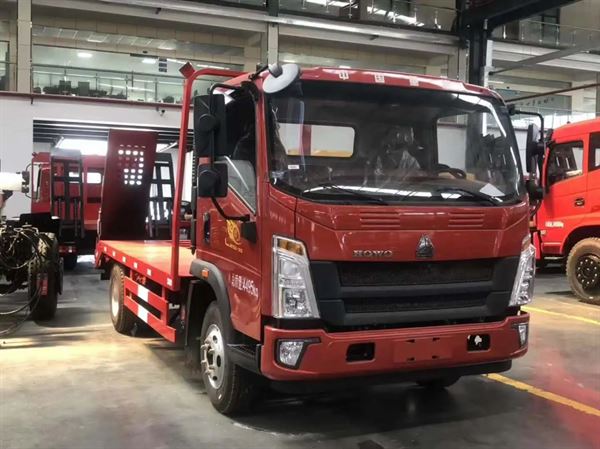
The towing capacity of a light truck is a critical factor to consider when selecting a vehicle for various tasks, ranging from transporting recreational equipment to completing work-related duties. Towing capacity refers to the maximum weight that a truck can pull behind it while maintaining safe driving conditions. This capacity is determined by a combination of factors, including the vehicle's engine power, transmission system, frame strength, axle ratings, and cooling system. Manufacturers calculate the towing capacity by conducting rigorous testing and adhering to specific guidelines set forth by regulatory bodies. The process involves simulating real-world driving conditions to ensure that the vehicle can safely handle the stated towing weight without compromising performance or safety. A truck's engine plays a pivotal role in determining its towing capacity. More powerful engines typically provide greater torque, which is essential for pulling heavy loads. Engines with larger displacement or turbocharged options often offer higher towing capabilities due to their increased power output. The transmission system must be robust enough to handle the additional stress of towing. Automatic transmissions with specialized towing modes are designed to manage heavier loads by adjusting shift patterns to optimize torque delivery and engine braking. The truck's frame must be strong enough to support the added weight of a trailer or other cargo. Manufacturers employ high-strength steel and reinforce key areas to ensure structural integrity under heavy loads. Axles are responsible for transferring power from the engine to the wheels and supporting the weight of the truck and its cargo. Each axle has a specific rating based on its ability to carry weight, and the combined ratings of all axles determine the overall towing capacity. Towing can generate substantial heat, so a truck's cooling system must be capable of dissipating this heat effectively to prevent engine overheating. Upgraded radiators and cooling fans are often included in vehicles with higher towing capacities.
The fuel efficiency of a light truck is influenced by several factors, including the make and model, engine type, transmission, vehicle weight, aerodynamics, and driving habits. Fuel efficiency is typically measured in miles per gallon (mpg) for gasoline-powered trucks or kilometers per liter (km/l) for diesel-powered trucks. Newer light trucks tend to be more fuel-efficient than older models due to advancements in technology and engineering. Manufacturers have been working to improve fuel efficiency by reducing vehicle weight, improving aerodynamics, and designing more efficient engines and transmissions. Some newer models even offer hybrid or electric powertrains that provide even better fuel efficiency. Engine type is a significant factor in determining fuel efficiency. Gasoline engines tend to be less fuel-efficient than diesel engines, but newer gasoline engines with direct injection and turbocharging technologies can be very efficient. Diesel engines are known for their high torque and fuel efficiency, but they can also produce more emissions. Transmission type also plays a role in fuel efficiency. Automatic transmissions with more gears can provide smoother acceleration and better fuel economy than manual transmissions. Continuously variable transmissions (CVTs) can further improve fuel efficiency by allowing the engine to operate at optimal speeds for longer periods. Vehicle weight is another factor that affects fuel efficiency. Lighter trucks require less energy to move, which means they use less fuel. Manufacturers have been using lighter materials, such as aluminum and high-strength steel, to reduce vehicle weight without compromising safety or performance. Aerodynamics is important for fuel efficiency, especially at highway speeds. Aerodynamic designs reduce wind resistance, which allows the truck to move more efficiently through the air. Some newer models feature aerodynamic improvements, such as a streamlined cab design and integrated spoilers.

Our Factory
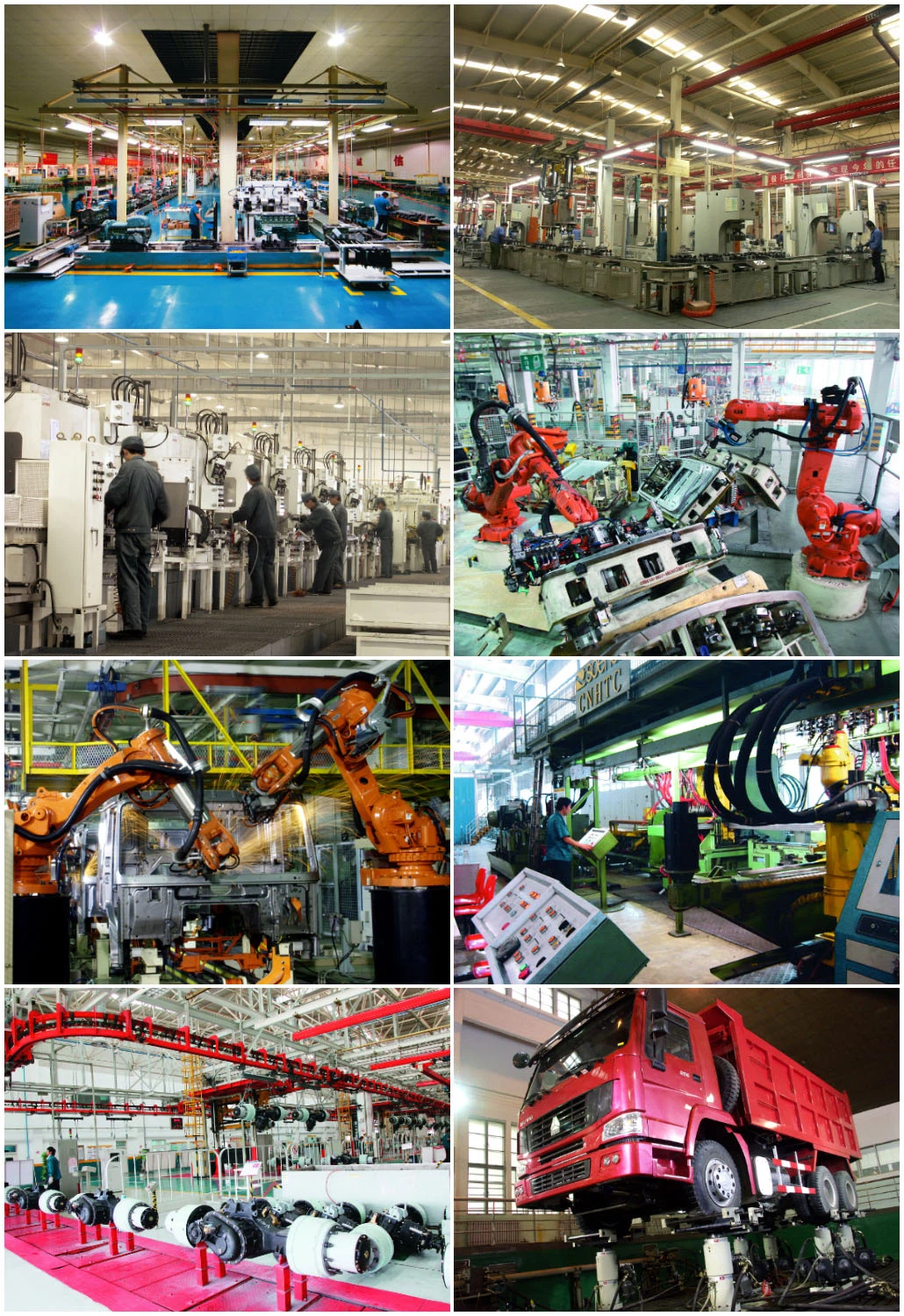
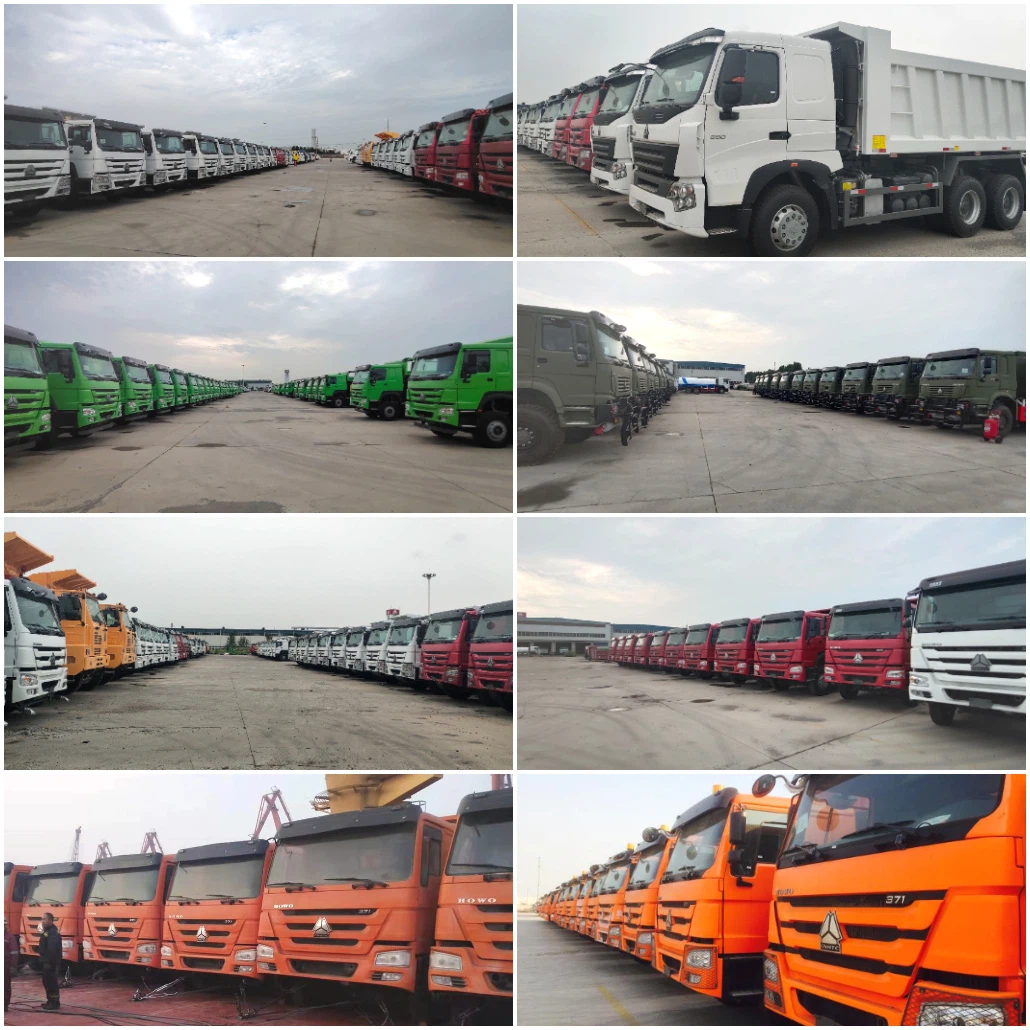
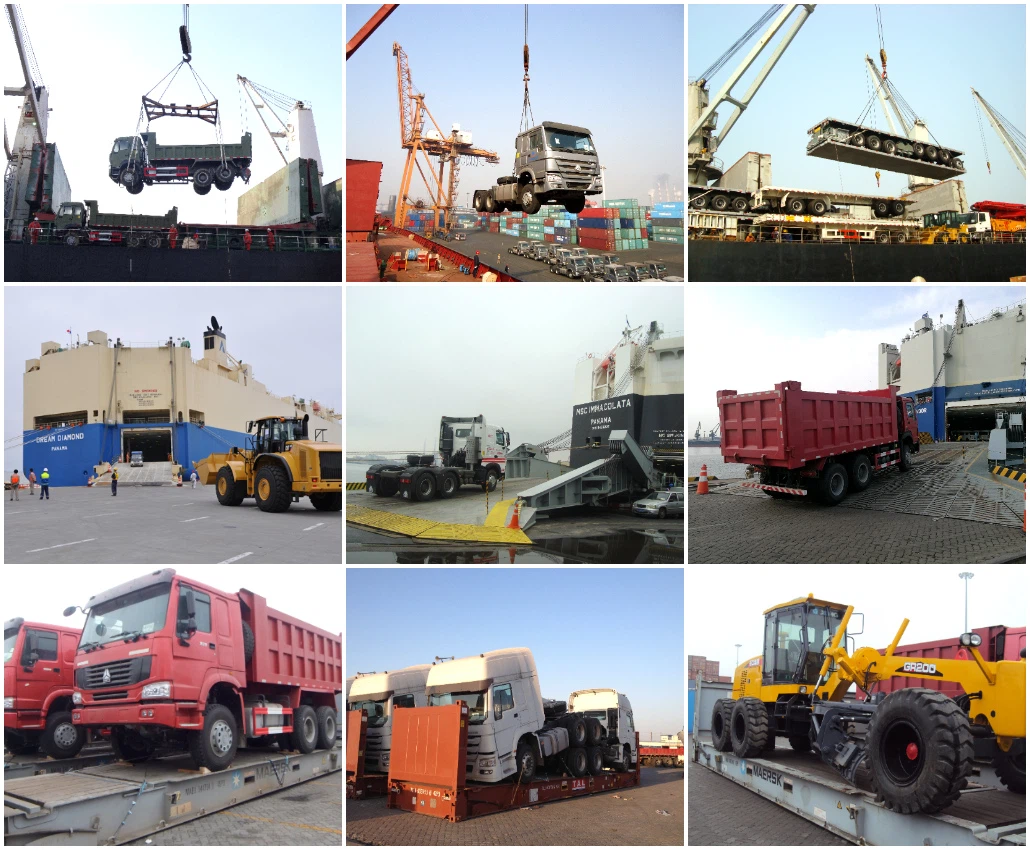
SINOTRUK SALES & SERVICE CO., LTD is export sales and service company for HOWO, HOWO A7 series trucks to world wide markets. China National Heavy Duty Truck Group Co. Ltd. (hereinafter referred to as the "SINOTRUK"), founded in 1956, is the cradle of heavy-duty automobile industry of China. Manufactured China's first heavy duty truck - the Yellow River brand JN150 8 tons of Cargo Truck in 1960; Successfully introduced Austria STEYR project, SINOTRUK is the first heavy automobile enterprise which bring in comprehensive introduction of overseas manufacturing technology. SINOTRUK was established following reform and restructuring in 2001and has become the domestic and foreign well-known heavy duty truck Research-Development and manufacturing enterprise group after almost 20 years of development.
FAQ
We're well-known as one of the leading light truck manufacturers and suppliers in China. Please feel free to wholesale high-grade light truck in stock here from our factory. All customized products are with high quality and competitive price. Contact us for more details.
dump truck lights, Light Truck, used semi tractors