


Lowbed Semi Trailer
What Is Lowbed Semi Trailer
A lowbed semi-trailer is a type of heavy-duty commercial trailer specifically engineered to transport oversized, heavy, or bulky items that cannot fit within the standard height or weight limitations of conventional trailers. These trailers have a very low floor, providing ample space to accommodate tall or high cargoes, such as construction machinery, industrial equipment, and large vehicles. The design typically features a gooseneck or a fixed drawbar connection to the towing tractor, and the flatbed is supported by multiple axles to distribute the weight evenly. The construction of lowbed semi-trailers includes robust materials and reinforced structures to handle the increased load, ensuring safe and reliable transportation of heavy goods over long distances.
Advantages of Lowbed Semi Trailer
Ability to carry oversized loads
Lowbed semi-trailers have a lower deck height compared to conventional trailers, which enables them to transport tall or high loads that would otherwise exceed legal height limits. This capability is critical for the transportation of construction equipment, industrial machinery, and other bulky items that cannot be easily dismantled.
Increased load capacity
The design of lowbed semi-trailers typically includes fewer wheels and a lower center of gravity, which allows them to carry heavier loads without exceeding weight restrictions. This is particularly useful for transporting heavy equipment such as excavators, cranes, and transformers.
Versatility in load placement
With their adjustable gooseneck and removable wheels, lowbed trailers offer flexibility in load placement. This means that cargo can be centered or positioned closer to the tractor unit for better balance and stability during transit.
Reduced cargo damage
The lower profile of a lowbed semi-trailer minimizes the risk of damage to taller loads that might be vulnerable to wind resistance or instability on standard trailers. It also reduces the likelihood of toppling over on uneven terrain or when negotiating sharp turns.
Enhanced stability
The lowbed semi-trailer's design contributes to improved stability, especially when carrying heavy loads. The distribution of weight closer to the ground helps prevent rollovers and ensures safer transportation, particularly on inclines and declines.
Ease of loading and unloading
The design of lowbed semi-trailers often includes ramps or a hydraulic lift system, which facilitates easier loading and unloading of heavy equipment. This feature is especially useful in situations where fork lifts or cranes are not available or practical.
-
 2 Axle Lowbed TrailerSandblasted, anti-rust chassis surface with 1 layer of anti-corrosive primer and 2 layers of topAdd to Inquiry
 -
 3 Axle LowbedSandblasted, anti-rust chassis surface with 1 layer of anti-corrosive primer and 2 layers of topAdd to Inquiry
 -
 Lowbed TrailerSandblasted, anti-rust chassis surface with 1 layer of anti-corrosive primer and 2 layers of topAdd to Inquiry


- Tel: +8616678784677
- Email: export@sinotruks.net.cn
- Add: No.17670, Panwang Road, Zhangqiu District, Jinan City, Shandong Province, China.
Why Choose Us
High quality
Our products are manufactured or executed to a very high standard, using the finest materials and manufacturing processes.
Advanced equipment
A machine, tool or instrument designed with advanced technology and functionality to perform highly specific tasks with greater precision, efficiency and reliability.
Quality control
We have built a professional quality control team to accurately inspect every raw material and every production process.
Customized services
We understand that each customer has unique manufacturing needs. That’s why we offer customization options to cater to your specific requirements.
One-stop solution
At our manufacturing facilities, we provide a complete package that includes everything required to get you started, including training, installation and support.
24H online service
We try and respond to all concerns within 24 hours and our teams are always at your disposal in case of any emergencies.
Types of Lowbed Semi Trailer


Mechanical lowbed trailer
Mechanical lowbed trailers are equipped with hydraulic rams that lift the load onto the trailer and lower it when unloading. These trailers are typically used for transporting heavy machinery, such as excavators, bulldozers, and cranes.
Double drop lowbed trailer
Double drop lowbed trailers have a two-section deck, with the center section lower than the front and rear sections. This design allows for even lower deck heights, making it possible to transport very tall loads. These trailers are commonly used for oversized loads, such as wind turbine blades, large industrial equipment, and construction vehicles.
Gooseneck lowbed trailer
Gooseneck lowbed trailers have a gooseneck hitch that connects to the tractor unit, providing a more stable and secure connection. These trailers have a higher cargo capacity than other types of lowbed trailers and are commonly used for transporting heavy and bulky loads, such as construction materials and large machinery.
Step deck lowbed trailer
Step deck lowbed trailers have a step in the deck, which provides a lower platform for loading and unloading. These trailers are commonly used for transporting tall loads that would exceed the legal height limit on a standard flatbed trailer. They are also used for transporting construction equipment, agricultural machinery, and other large items.
Removable gooseneck (rg) lowbed trailer
Removable gooseneck lowbed trailers have a gooseneck hitch that can be detached from the trailer, allowing for easier maneuverability and access to the cargo area. These trailers are commonly used for transporting heavy and bulky loads, such as large industrial equipment, construction materials, and other large items.
Beam trailer
Beam trailers are designed for transporting long and heavy loads, such as steel beams, pipes, and other structural materials. They have a wide beam that runs along the length of the trailer, providing support for the load.
Extendable lowbed trailer
Extendable lowbed trailers have an extendable deck that can be lengthened to accommodate longer loads. These trailers are commonly used for transporting large pieces of equipment, such as generators, transformers, and other industrial machinery.
Choose an appropriate location
The first step in storing a lowbed semi-trailer is to select a suitable location. Ideally, the storage area should be flat, dry, and free from obstacles. It should also be easily accessible for maintenance and inspections. If possible, choose a location that is covered or has shelter to protect the trailer from harsh weather conditions, such as extreme temperatures, rain, snow, and sun exposure.
Clean the trailer
Before storing the lowbed semi-trailer, it is essential to clean it thoroughly. Remove any dirt, debris, or cargo residues from the bed, wheels, and undercarriage. Use a pressure washer or hose to rinse off the trailer, and then dry it completely with a towel or air blower. This will help prevent rust and corrosion caused by moisture and dirt buildup.
Inspect and repair
Perform a thorough inspection of the lowbed semi-trailer to identify any damages, wear, or potential issues that need to be addressed. Check the tires, brakes, lights, and other critical components for signs of wear or damage. If necessary, perform repairs or replacements to ensure that the trailer is in good working condition when it is needed again.
Lubricate moving parts
Apply lubricant to all moving parts, such as hinges, locks, and latches, to prevent rust and ensure smooth operation. This will also help to reduce wear and tear on these components over time.
Disconnect batteries
If the lowbed semi-trailer is equipped with batteries, it is a good idea to disconnect them during storage to prevent drainage and extend their life. Make sure to follow proper procedures for disconnecting and storing batteries to avoid damage or injury.
Cover the trailer
To protect the lowbed semi-trailer from dust, dirt, and weather elements, cover it with a suitable tarp or cover. Choose a cover that is breathable to prevent moisture buildup underneath. Secure the cover tightly to prevent it from blowing away in windy conditions.
Application of Lowbed Semi Trailer
Construction industry
The construction industry relies heavily on lowbed semi-trailers for the transportation of large and heavy machinery such as excavators, bulldozers, cranes, and graders. These machines are critical for site preparation, building construction, and civil engineering projects. The lowbed trailers ensure that such equipment can be moved safely and efficiently from one location to another without the need for disassembly, saving time and reducing potential damage.
Infrastructure development
In the realm of infrastructure, lowbed semi-trailers are indispensable for the delivery of massive prefabricated structures, bridge components, and large pipes. These components are often too cumbersome or delicate to be transported by other means, necessitating the use of lowbed trailers to maintain structural integrity and ensure safe arrival at the construction site.
Mining operations
Mining requires the movement of substantial and heavy equipment, including drilling rigs, shovels, and ore conveyors. Lowbed trailers are well-suited for this task, given their robust construction and ability to handle extreme weights. They enable the efficient transfer of mining machinery from one worksite to another, supporting continuous operations and resource extraction.
Oil and gas sector
In the oil and gas industry, lowbed semi-trailers are utilized for the transportation of large and heavy drilling rigs, generators, and processing equipment. These trailers are instrumental in moving these critical components to remote locations where drilling and extraction activities take place, ensuring that operations can commence or continue without interruption.
Energy projects
Wind turbine components, solar panel arrays, and nuclear reactor parts are examples of the types of heavy and bulky items that require transportation in the energy sector. Lowbed semi-trailers facilitate the delivery of these components to power generation facilities, whether they are located inland or offshore, making them a cornerstone of modern energy infrastructure development.
Marine transportation
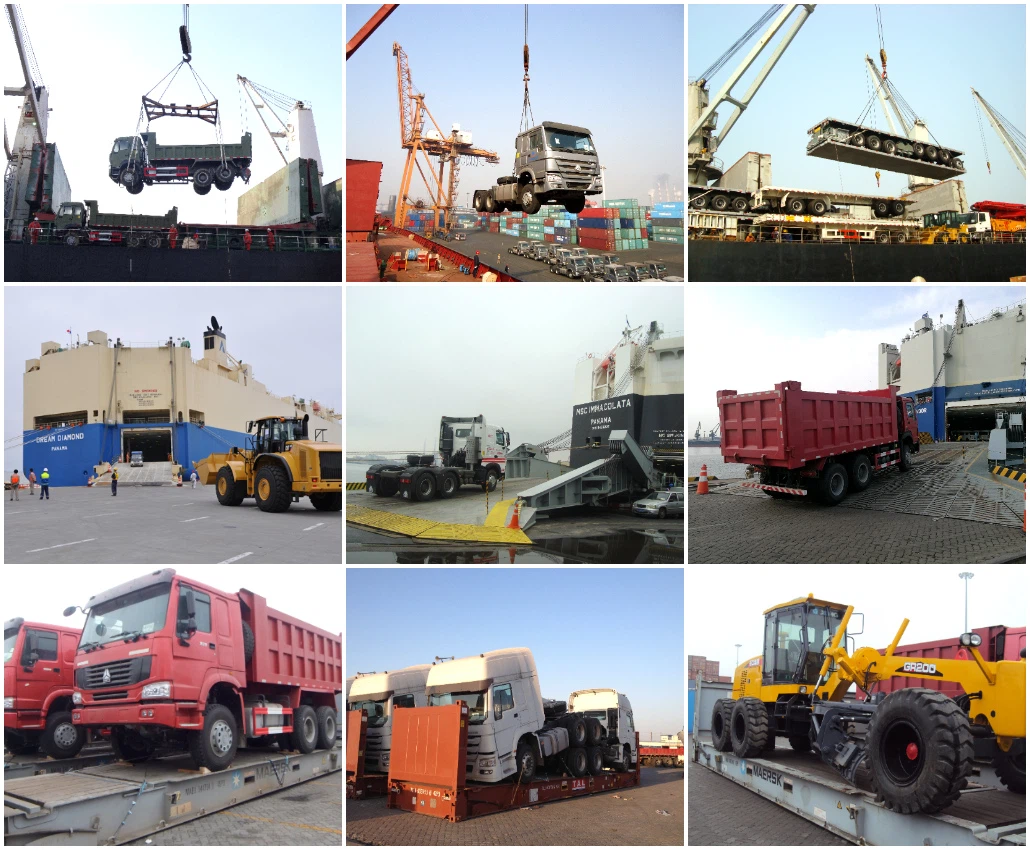
When transporting heavy equipment from one port to another, lowbed semi-trailers are often used to move cargo from the point of origin to the dock. Once at the port, the equipment can be loaded onto ships for further international transportation.
Precautions When Using Lowbed Semi Trailer
Proper load securing
Use chains, straps, or other securing devices to firmly secure the load to the trailer. The load should be tied down at multiple points to prevent shifting during transit. Inspect the securing devices regularly to ensure they are in good condition and capable of holding the load.
01
Lowbed trailer inspection
Before each trip, conduct a comprehensive inspection of the lowbed trailer. Check the tires for proper inflation, wear, and damage. Inspect the brakes, lights, and other critical components for functionality. Ensure that all connections, such as the fifth wheel and kingpin, are secure and in good condition.
02
Driving precautions
When driving with a lowbed trailer, take extra caution and drive at reduced speeds, especially when turning or changing lanes. The longer wheelbase and lower center of gravity of the lowbed trailer can affect handling and braking. Allow for more stopping distance and avoid sudden turns or maneuvers.
03
Route planning
Plan your route carefully, taking into account the size and weight of the load. Avoid narrow roads, low bridges, and underpasses that may not accommodate the dimensions of the lowbed trailer. Also, consider the traffic conditions and plan your trip during less congested times if possible.
04
Communication with other drivers
When operating a lowbed trailer, it is essential to communicate with other drivers on the road. Use signals and lights appropriately to indicate your intentions and alert other drivers to your presence. If necessary, use a spotter or pilot vehicle to assist with navigation through busy areas or to provide additional visibility.
05
How Do I Choose the Right Lowbed Semi Trailer
Load requirements
Begin by determining the weight and dimensions of your load. This will help you select a trailer with the appropriate capacity and bed length. Consider factors such as the load's center of gravity, any special requirements for securing the load, and whether the load can be easily loaded and unloaded onto the trailer.
Trailer specifications
Look at the specifications of the lowbed semi-trailer, including its gross vehicle weight rating (gvwr), payload capacity, and bed length. Ensure that the trailer can handle the weight and size of your load without exceeding legal limits. Additionally, consider the number of axles and wheel configuration, as this will affect the trailer's stability and maneuverability.
Towing vehicle compatibility
Make sure that your towing vehicle has the necessary power and towing capacity to handle the lowbed semi-trailer and its load. Consider factors such as the vehicle's gvwr, towing capacity, and any additional weight from the trailer itself. Also, ensure that your vehicle is equipped with the proper hitch and connections to safely tow the trailer.
Trailer features
Look for features that enhance the safety and efficiency of the lowbed semi-trailer. This may include a hydraulic lift system for easy loading and unloading, removable wheels for greater versatility, and ramps or a low bed height for easier access. Additional features such as tie-down points, lighting systems, and reflective markings can also improve safety during transportation.
Durability and quality
Choose a lowbed semi-trailer made from high-quality materials and constructed with durability in mind. This will ensure that the trailer can withstand the demands of heavy-duty transportation and provide a reliable performance over time. Consider the reputation of the manufacturer and look for reviews or testimonials from other users to gauge the quality of their products.
What Are the Components of Lowbed Semi Trailer
Gooseneck or fifth wheel
This is the connecting point between the tractor unit and the trailer. In a lowbed trailer, the gooseneck is typically lower than in standard trailers to accommodate taller loads.
Deck
The deck is the flat surface where the cargo is loaded. It is usually made of steel or aluminum and may have a removable center section to allow for even larger loads.
Axles and suspension system
Lowbed trailers typically have two or more axles with a suspension system that allows for greater ground clearance and stability under heavy loads. The suspension may include air bags, leaf springs, or other types of shock-absorbing mechanisms.
Ramps
Many lowbed trailers have built-in ramps or extendable loading platforms that make it easier to load and unload heavy equipment. These ramps may be powered by hydraulic or manual systems.
Winch and cables
Some lowbed trailers come equipped with a winch and cables that can be used to secure the cargo during transportation. This is especially useful for loads that cannot be tied down using traditional methods.
Safety equipment
Lowbed trailers must comply with strict safety regulations, including the use of lights, reflectors, and warning signs. Additionally, they may be equipped with features such as rollover protection systems (rops) and fall protection systems (fps) to ensure the safety of the driver and cargo.
Tires
Lowbed trailers typically have large, wide tires that provide better stability and support for heavy loads. The number and size of tires may vary depending on the specific requirements of the load being carried.
Braking system
Lowbed trailers are equipped with brakes that can be activated either manually or automatically. The braking system is critical in ensuring the safe operation of the trailer, particularly when traveling at high speeds or on steep inclines.
The cargo capacity of a lowbed semi-trailer is determined by several factors, including the design of the trailer, the materials used in its construction, the configuration of its axles, and the legal weight limits imposed by local and international regulations. Lowbed semi-trailers are specifically designed to carry heavy and oversized loads, which makes them an indispensable tool in the construction, mining, and heavy equipment industries. They are generally characterized by their low ground clearance and long, flat beds, which allow for the transportation of tall and bulky items that cannot fit on standard trailers. The cargo capacity of a lowbed semi-trailer can vary significantly depending on its design. For instance, some lowboys have a fixed bed while others have a gooseneck design, which allows for a steeper approach angle and a higher cargo capacity. Additionally, some lowboys are equipped with multiple axles, which can distribute the weight of the cargo more evenly across the trailer, further increasing its cargo capacity. The materials used in the construction of a lowbed semi-trailer also play a crucial role in determining its cargo capacity. High-strength steel and aluminum are commonly used due to their durability and lightweight characteristics. These materials allow the trailer to support heavier loads without compromising its structural integrity. The cargo capacity of a lowbed semi-trailer is also limited by legal weight limits. These limits vary depending on the country or region in which the trailer is operating.
How Often Should I Inspect a Lowbed Semi Trailer?
Maintaining the safety and operational efficiency of a lowbed semi-trailer requires regular inspections and routine maintenance. The frequency of inspections can vary depending on several factors, including the age of the trailer, the nature of its operations, and the regulatory requirements of the jurisdiction in which it operates. However, as a general rule, lowbed semi-trailers should be inspected at least once per month, with additional inspections performed as needed based on usage and conditions. Check for wear and tear, proper inflation, and damage to the wheels or rims. Also, check for leaks in the brake lines and air hoses. Inspect for cracks, wear, and damage to the axles, bearings, and suspension components. Ensure that all bolts and fasteners are tight and in good condition. Test the brakes to ensure they are functioning properly. Check for worn pads, drums, or rotors, and replace as necessary. Inspect all lights, turn signals, and brake lights to ensure they are functioning properly. Also, check the wiring and connectors for corrosion and damage. Inspect the coupling device for wear and damage, and ensure that it is secure and in good working condition. Check the deck and ramp for damage, wear, and rust. Ensure that the deck is level and secure, and that the ramp operates smoothly. Ensure that all safety equipment, such as warning triangles, fire extinguishers, and first aid kits, is present and in good condition. In addition to monthly inspections, lowbed semi-trailers should also be inspected before and after each trip. These inspections should focus on any unusual noises, vibrations, or other issues that may indicate a problem with the trailer. If any problems are detected, they should be addressed immediately to prevent further damage or accidents.
Improving the efficiency of using a lowbed semi-trailer involves optimizing various aspects of its operation and maintenance. One of the most critical factors in improving the efficiency of using a lowbed semi-trailer is proper load planning. This involves carefully selecting the right type of trailer for the job, based on the size and weight of the cargo, as well as the distance and route to be traveled. Proper load planning ensures that the trailer is not overloaded or underutilized, leading to improved fuel efficiency and reduced wear and tear on the vehicle. Regular maintenance is essential to keep a lowbed semi-trailer running smoothly and efficiently. This includes checking and replacing worn tires, lubricating moving parts, and inspecting the brakes and suspension system. Regular maintenance helps to prevent breakdowns and costly repairs, while also ensuring that the trailer is safe to operate. Advances in technology can help to improve the efficiency of using a lowbed semi-trailer. For example, GPS tracking systems can help drivers to optimize their routes and reduce travel time, while electronic logging devices can help to monitor driving hours and ensure compliance with regulations. Additionally, telematics systems can provide real-time data on the condition of the vehicle, allowing for proactive maintenance and repairs. Drivers play a critical role in the efficiency of using a lowbed semi-trailer. Proper training can help drivers to operate the vehicle safely and efficiently, reducing the risk of accidents and breakdowns. Training should cover topics such as defensive driving techniques, vehicle handling, and emergency procedures.

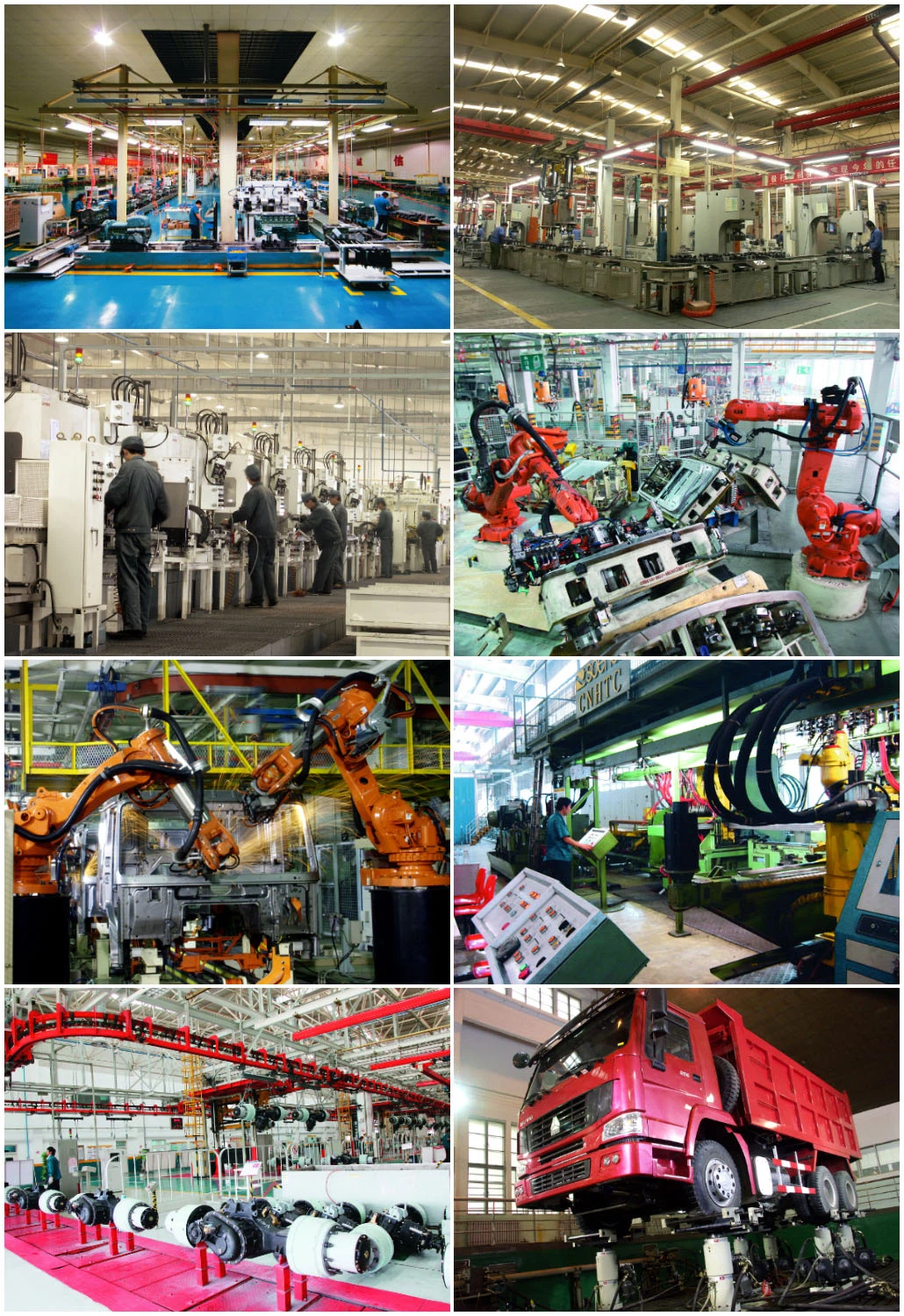
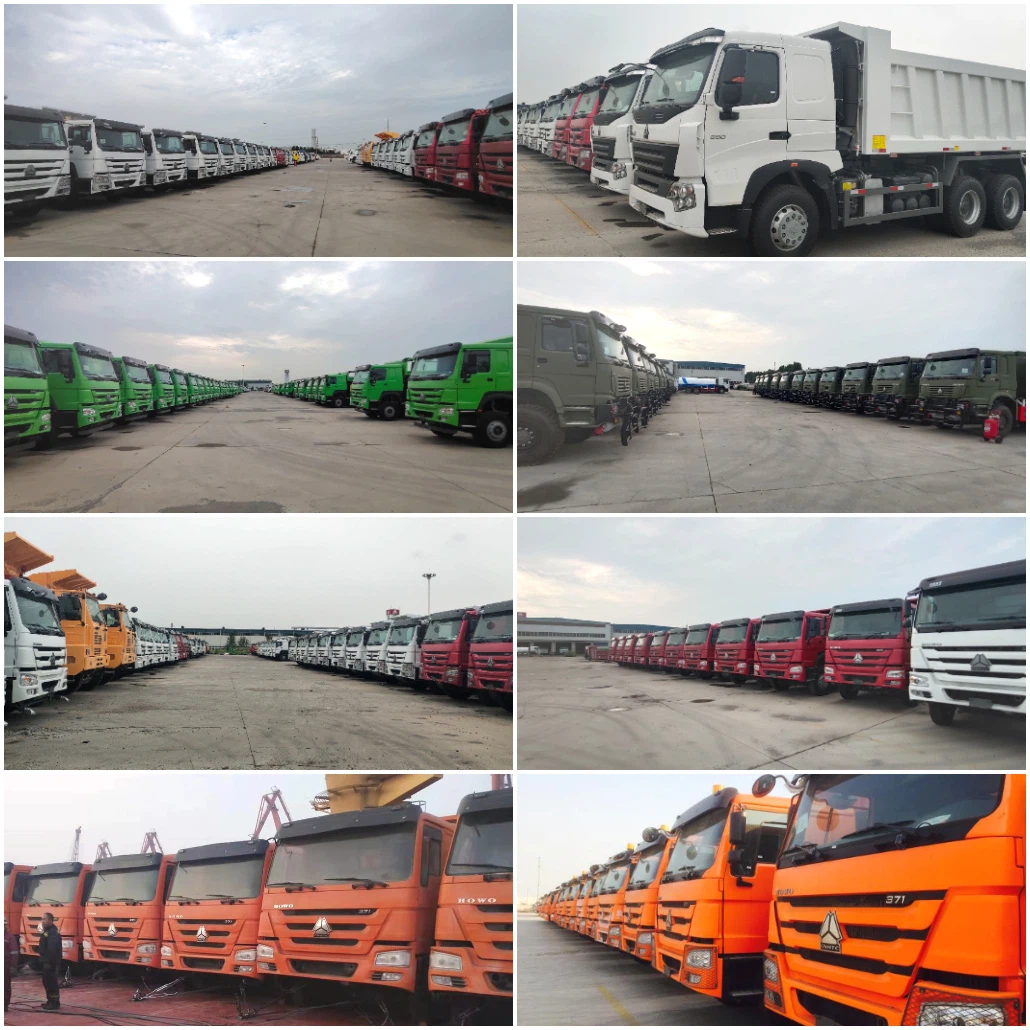
Our Factory
SINOTRUK SALES & SERVICE CO., LTD is export sales and service company for HOWO, HOWO A7 series trucks to world wide markets. China National Heavy Duty Truck Group Co. Ltd. (hereinafter referred to as the "SINOTRUK"), founded in 1956, is the cradle of heavy-duty automobile industry of China. Manufactured China's first heavy duty truck - the Yellow River brand JN150 8 tons of Cargo Truck in 1960; Successfully introduced Austria STEYR project, SINOTRUK is the first heavy automobile enterprise which bring in comprehensive introduction of overseas manufacturing technology. SINOTRUK was established following reform and restructuring in 2001and has become the domestic and foreign well-known heavy duty truck Research-Development and manufacturing enterprise group after almost 20 years of development.
FAQ
We're well-known as one of the leading lowbed semi trailer manufacturers and suppliers in China. Please feel free to wholesale high-grade lowbed semi trailer in stock here from our factory. All customized products are with high quality and competitive price. Contact us for more details.
48 tractor trailer, refrigerated semi trailer, full aluminum enclosed trailer