


Flatbed Semi Trailer
What Is Flatbed Semi Trailer
A flatbed semi-trailer is a type of trailer that is characterized by a completely flat, open deck without any sides or a roof. This design allows for easy loading and unloading of goods, making it ideal for transporting oversized items or equipment that cannot fit within standard enclosed trailers. The flatbed can accommodate irregularly shaped objects and can be loaded from all angles, providing flexibility in loading and unloading. The trailer is connected to a tractor unit via a fifth wheel and is supported by a tandem axle or a tri-axle configuration, depending on the weight of the cargo. The flatbed's construction ensures durability and stability, with features such as stake pockets for securing cargo and a bed that is typically made of steel or aluminum.
Advantages of Flatbed Semi Trailer
Versatility
One of the primary advantages of flatbed semi-trailers is their versatility. These trailers can be used to transport a wide variety of goods, from construction materials and machinery to large vehicles and industrial equipment. Their open design allows for easy access to the cargo from all sides, making them suitable for loading and unloading operations that might be difficult or impossible with enclosed trailers.
Cost-effectiveness
Flatbed trailers are generally less expensive to purchase and maintain compared to enclosed trailers. Their simple design means fewer parts that can potentially break down, leading to lower repair and maintenance costs. Additionally, because they can be loaded quickly and do not require special handling or equipment, they can also save time and money on loading and unloading operations.
Increased cargo volume
Flatbed trailers have no sides or roof, which means they can carry taller or wider loads than enclosed trailers. This increased cargo volume can allow for more efficient transportation of goods, reducing the number of trips required to transport the same amount of cargo.
Easy access
The open design of flatbed trailers makes it easy to access the cargo from all sides. This can be particularly useful in situations where the cargo needs to be loaded or unloaded onto a platform or conveyor belt, or when multiple pieces of equipment need to be loaded or unloaded simultaneously.
Adaptability
Flatbed trailers can be easily adapted to different types of cargo and loading/unloading requirements. They can be equipped with ramps, tie-downs, and other accessories to secure and transport a wide range of goods. Additionally, they can be modified to accommodate specialized cargo, such as oversized or hazardous materials, with relative ease.
Reduced damage risk
Because flatbed trailers do not have enclosed sides or a roof, there is less risk of damage to the cargo due to contact with the trailer walls or ceiling. This can be particularly useful for transporting delicate or fragile items that could be easily damaged if bumped or scratched against an enclosed trailer.
-
 Sinotruk Trailer40ft Flatbed Container Semi Trailer With 3 axles. Applications: could transport 1*20ft container,Add to Inquiry
 -
 Flatbed Container Semi Trailer40ft Flatbed Container Semi Trailer With 3 axles. Applications: could transport 1*20ft container,Add to Inquiry
 -
 Container Semi Trailer40ft Flatbed Container Semi Trailer With 3 axles. Applications: could transport 1*20ft container,Add to Inquiry
 -
 Truck Trailer40ft Flatbed Container Semi Trailer With 3 axles. Applications: could transport 1*20ft container,Add to Inquiry
 -
 Faltbed Semi Trailer40ft Flatbed Container Semi Trailer With 3 axles. Applications: could transport 1*20ft container,Add to Inquiry
 -
 Semi Trailers3axles 20ft Flatbed Semi Trailer HOWO flatbed container semi trailer is used for the transport ofAdd to Inquiry
 -
 Flatbed Utility TrailerHOWO 3Axles Flatbed Semi Trailers Flatbed semi-trailer is versatile and is mainly used for mediumAdd to Inquiry
 -
 4 Axles Flatbed Semi Trailer4 Axles Flatbed Container Semi Trailer Flatbed trailer are full trailer, It is mainly used forAdd to Inquiry
 -
 Flatbed Full TrailerFlatbed Full Trailer Product Description For large buildings and construction projects, heavyAdd to Inquiry
 -
 Flatbed Trailer40ft Flatbed Container Semi Trailer With 3 axles Specification: Semi trailer Pictures: Semi trailerAdd to Inquiry
 -
 Flatbed Semi Trailer40ft Flatbed Container Semi Trailer With 3 axles. Applications: could transport 1*20ft container,Add to Inquiry
 -
 3 axle trailer40ft Flatbed Container Semi Trailer With 3 axles. Applications: could transport 1*20ft container,Add to Inquiry


- Tel: +8616678784677
- Email: export@sinotruks.net.cn
- Add: No.17670, Panwang Road, Zhangqiu District, Jinan City, Shandong Province, China.
Why Choose Us
High quality
Our products are manufactured or executed to a very high standard, using the finest materials and manufacturing processes.
Advanced equipment
A machine, tool or instrument designed with advanced technology and functionality to perform highly specific tasks with greater precision, efficiency and reliability.
Quality control
We have built a professional quality control team to accurately inspect every raw material and every production process.
Customized services
We understand that each customer has unique manufacturing needs. That’s why we offer customization options to cater to your specific requirements.
One-stop solution
At our manufacturing facilities, we provide a complete package that includes everything required to get you started, including training, installation and support.
24H online service
We try and respond to all concerns within 24 hours and our teams are always at your disposal in case of any emergencies.
Types of Flatbed Semi Trailer


Standard flatbed
This is the most basic type of flatbed semi-trailer, characterized by a flat, level bed with no sides or roof. It is ideal for carrying machinery, construction materials, and other large items that do not require protection from the elements.
Drop deck flatbed
Also known as a step-deck or lowboy, this type of flatbed features a two-tiered deck with the rear part lower than the front. This design allows for the transportation of taller loads that would otherwise exceed the height limits of a standard flatbed. The drop deck provides extra clearance for tall items like excavators, cranes, and other heavy equipment.
Extendable flatbed
This flatbed can be extended beyond its normal length to accommodate longer loads. Extendable trailers are equipped with rails that can be pulled out to increase the bed length, making them suitable for transporting long pipes, steel beams, and other elongated items.
Stretch flatbed
Similar to extendable flatbeds, stretch flatbeds are designed to carry longer loads. However, the extension mechanism on a stretch flatbed is usually built into the trailer's frame, providing a smoother and more seamless extension compared to extendable flatbeds.
Reinforced flatbed
These trailers are specifically designed to carry heavy loads, such as construction materials, heavy machinery, and industrial equipment. They are constructed with reinforced floors and stronger frames to handle the increased weight and distribute it evenly across the trailer's surface.
Gooseneck flatbed
Gooseneck trailers have a unique design where the neck of the trailer connects to the towing vehicle's fifth wheel at the center of the truck bed rather than at the rear bumper. This configuration provides improved stability and maneuverability, making it ideal for transporting heavy and bulky loads. Gooseneck trailers can be straight or articulated (bendable in the middle), depending on the requirements of the load.
Beavertail flatbed
This type of flatbed features a ramp that gradually slopes down to ground level at the rear, allowing vehicles and equipment to drive directly onto and off the trailer without the need for a separate ramp. Beavertail trailers are commonly used for transporting construction vehicles, agricultural machinery, and other equipment that needs to be driven on and off the trailer.
Dual-lane flatbed
Designed for transporting wide loads that occupy more than one lane of traffic, dual-lane flatbeds have an extra-wide bed that can accommodate oversized items. These trailers are often equipped with special permits and flags or lights to indicate their width and ensure safe passage on the roads.
How to Store Flatbed Semi Trailer
Clean the trailer thoroughly
Before storing the flatbed semi-trailer, it should be thoroughly cleaned inside and out. Remove any dirt, debris, and cargo residue. Wash the exterior to remove mud, road grime, and any chemical spills. Pay special attention to the wheels, undercarriage, and any areas that may have collected salt or corrosive substances. A clean trailer will prevent rust and deter pests.
Inspect and repair
Perform a comprehensive inspection of the trailer, checking for any signs of damage, wear, or corrosion. Look for issues with the tires, lights, brakes, couplings, and body. Repair any problems promptly to avoid further deterioration and potential safety hazards. Ensure that all mechanical components are properly lubricated.
Choose an appropriate location
Select a storage location that offers shelter from extreme weather conditions, such as direct sunlight, heavy rain, snow, and ice. Ideally, the storage area should be covered, whether it's a garage, a shed, or under a carport. If outdoor storage is necessary, consider using a trailer cover to protect the trailer from the elements.
Elevate the trailer
To prevent flat spots and extend tire life, elevate the trailer using jack stands or wheel blocks. This reduces the weight on the tires and prevents them from flattening due to prolonged static pressure.
Chock the wheels
Secure the trailer by chocking the wheels. Use wheel chocks made of durable material like rubber or wood to prevent the trailer from rolling or moving unexpectedly.
Disconnect the battery
If the trailer is equipped with electrical systems, disconnect the battery to prevent drainage and extend its lifespan. Store the battery in a dry, cool place, and recharge it periodically if it's a lead-acid battery.
Cover the trailer
Protect the flatbed from dust, moisture, and uv radiation by covering it with a quality trailer cover. Ensure the cover is breathable to prevent condensation and mildew buildup. Tie the cover securely to prevent it from blowing away in strong winds.
Maintain regular checks
Even when stored, it's essential to perform regular checks on the trailer. Inspect the cover for any signs of wear or damage, and replace it if necessary. Check the storage area for any potential hazards, such as flooding or falling objects, that could harm the trailer.
Consider climate control
If possible, store the flatbed semi-trailer in a climate-controlled environment. This will protect it from extreme temperature fluctuations, humidity, and other environmental factors that can cause metal parts to rust and expand or contract, leading to damage.

One of the key applications of flatbed semi-trailers is in the construction industry. Bulky and heavy materials such as steel beams, lumber, concrete panels, and prefabricated structures are regularly transported using these trailers. The absence of enclosures allows for quick loading and unloading, which is critical given the fast-paced nature of construction sites. Moreover, the ability to carry oversized materials means that flatbeds are essential for projects that involve large-scale civil engineering works, such as bridges and highways. Another significant application is in the agriculture sector. Farm equipment, including tractors, harvesters, and plows, is often transported using flatbed trailers. The design allows farmers and equipment dealers to load and unload such machinery without concern for overhead obstructions, which is especially beneficial in rural areas where infrastructure may be limited. In the realm of manufacturing and distribution, flatbed trailers serve a vital role in transporting raw materials and finished products. For instance, manufacturers may use flatbeds to move heavy machinery, metal sheets, and other materials into their facilities. Similarly, distributors benefit from the ability to transport pallets and containers of goods that may not fit within the confines of enclosed trailers. The automotive industry also relies heavily on flatbed semi-trailers. Vehicles such as cars, motorcycles, and ATVs can be easily driven onto a flatbed for transportation. This method is particularly advantageous for moving damaged or non-operational vehicles, as well as for transporting prototypes and show cars to exhibitions or dealerships. Flatbed trailers are indispensable in the energy sector, too. Large and unwieldy items like wind turbine blades, solar panel arrays, and oilfield equipment are frequently transported using these trailers. The adaptability of flatbeds to accommodate such specialized cargo is critical for the timely deployment of renewable energy infrastructure and the maintenance of oil and gas operations. In addition to these industry-specific uses, flatbed semi-trailers play a crucial role in general freight services. They offer a flexible solution for transporting a wide array of miscellaneous items that do not require environmental protection during transit. From construction materials to industrial machinery, and from retail stock to building supplies, flatbeds provide a versatile means of transport that can be tailored to meet the unique demands of each shipment.
Load securement
One of the most important aspects of using a flatbed semi-trailer is ensuring that the cargo is properly secured. Use appropriate tie-down straps, chains, or ropes, and follow the "eight points of contact" rule, which means securing the load at multiple points to distribute the force evenly and prevent shifting during transit.
Inspect the trailer
Before loading and transporting cargo, inspect the flatbed semi-trailer for any signs of damage, wear, or malfunction. Check the tires, brakes, lights, couplings, and other critical components to ensure they are in good working order. Any defects or issues should be addressed promptly before using the trailer.
Know your limits
Be aware of the weight and size limitations of the flatbed semi-trailer. Overloading or exceeding the trailer's capacity can compromise its stability and safety, and may result in accidents or damage to the cargo. Always adhere to legal weight and dimension restrictions.
Proper loading techniques
When loading cargo onto a flatbed semi-trailer, use proper lifting techniques and equipment to prevent injuries. Distribute the weight of the load evenly across the trailer to maintain balance and stability. Avoid placing heavy items on the outer edges, as this can cause the trailer to tip over.
Use tarps and covers
If the cargo is sensitive to weather conditions or requires protection from dust and debris, use tarps or covers to shield it during transit. Secure the tarps properly to prevent them from blowing away or becoming loose.
Visibility and safety equipment
Ensure that the flatbed semi-trailer is equipped with proper lighting, reflectors, and warning devices to improve visibility and alert other road users to its presence. Use hazard lights when necessary, and always signal when changing lanes or making turns.
Drive carefully
Operate the flatbed semi-trailer with care, especially when navigating curves, hills, and rough roads. Reduce speed when necessary to maintain control of the trailer and avoid sudden movements that could destabilize the load.
Regular maintenance
Regular maintenance is crucial for the safe operation of a flatbed semi-trailer. Keep up with scheduled inspections and servicing, and address any repairs promptly. This includes routine tasks such as checking tire pressure, lubricating moving parts, and replacing worn components.
How Do I Choose the Right Flatbed Semi Trailer
Cargo dimensions and weight
First and foremost, you should determine the dimensions and weight of the cargo you intend to transport. This will help you choose a trailer with the appropriate length, width, and capacity. Be sure to account for any extra space needed for securing the cargo and any legal restrictions on maximum load size and weight.
Trailer size
Flatbed trailers come in various sizes, from smaller tandem axle trailers to larger triple or quad-axle trailers. The size you choose should be based on the weight and dimensions of your cargo, as well as the type of roads you'll be traveling on. Larger trailers can carry heavier loads but may require special permits and escorts.
Material and construction
The material and construction of the flatbed trailer are important factors to consider. Steel is the most common material used for flatbeds due to its strength and durability, but aluminum is also an option if you're looking to reduce weight and improve fuel efficiency. The construction should include strong welds and reinforced areas to handle heavy loads and prevent warping or bending.
Axles and suspension
The axles and suspension system of the flatbed trailer are crucial for ensuring safe and smooth transportation. The number of axles will depend on the weight of the cargo, while the type of suspension (air ride or mechanical) will affect the ride quality and load distribution. Air ride suspensions are generally more expensive but provide a smoother ride and better load protection.
Tarps and covers
If you plan to transport cargo that requires protection from the elements or prying eyes, you should consider investing in a tarp or cover system for your flatbed trailer. These systems can be either manual or automatic and should be easy to operate and secure.
Safety features
When choosing a flatbed trailer, it's important to look for safety features such as tie-down rings, corner protectors, and reflective stripes. These features help ensure the safe and secure transportation of your cargo and comply with federal and state regulations.
Production Methods of Flatbed Semi Trailer
Design and engineering
The first step in producing a flatbed semi-trailer is the design and engineering phase. This involves creating detailed plans and specifications for the trailer, taking into account factors such as weight, dimensions, capacity, and intended use. Engineers use computer-aided design (cad) software to visualize the trailer and make any necessary adjustments before moving on to the next stage.
01
Material selection
Once the design is finalized, the next step is to select the appropriate materials for the trailer's construction. Flatbed semi-trailers are typically made from steel or aluminum, as these materials offer strength, durability, and resistance to corrosion. The choice of material depends on factors such as cost, weight, and performance requirements.
02
Cutting and forming
After selecting the materials, the next step is to cut and form the various components of the trailer. This is done using a variety of cutting and forming machines, such as laser cutters, plasma cutters, and press brakes. These machines allow manufacturers to precisely cut and shape the metal into the desired shapes and sizes for the trailer's frame, deck, and other components.
03
Welding
Once the components are cut and formed, they are welded together to create the trailer's frame and structure. Welding is a critical process that requires skilled craftsmanship to ensure strong, reliable joints. Manufacturers use a variety of welding techniques, such as mig welding, tig welding, and spot welding, depending on the material and application.
04
Painting and finishing
Once the trailer is fully assembled, it is painted and finished. This involves applying a coat of primer followed by multiple coats of paint to protect the metal from corrosion and provide a durable finish. Manufacturers may also apply decals or graphics to personalize the trailer according to the customer's preferences.
05
What Are the Components of Flatbed Semi Trailer
Deck
The deck is the flat surface of the trailer where cargo is loaded. It is usually constructed of wood planks, aluminum, or steel grating, and it must be strong enough to support the weight. The deck’s surface should be level and free from protrusions that could damage the cargo.
Axles and wheels
Axles are the pivotal components that connect the wheels to the trailer frame. They are responsible for bearing the weight of the cargo and trailer. Wheels are typically equipped with dual tires on each axle to distribute the load evenly and enhance stability.
Suspension system
The suspension system absorbs shocks and vibrations from the road, providing a smoother ride and protecting the cargo and the trailer’s structure. It consists of springs, shock absorbers, and sometimes air bags that can be adjusted to accommodate varying load weights.
Landing gear (legs)
Landing gear consists of retractable legs that support the front end of the trailer when it is detached from the tractor. These legs must be sturdy enough to hold the weight of the trailer when parked.
Tie-down rings and chains
To secure cargo during transit, flatbed trailers are equipped with multiple tie-down rings or hooks strategically placed along the sides and corners. Chains or straps are attached to these rings to restrain the load and prevent shifting during transportation.
Corner protectors
Corner protectors, or rub rails, are strips of metal or rubber that run along the edges of the trailer deck. They protect the cargo and the trailer itself from damage caused by contact with other objects during loading, unloading, or transit.
Lights and electrical system
Trailers are required to have functioning lights, including brake lights, turn signals, tail lights, and clearance lights. An electrical connection, often referred to as a “fifth wheel,” links the trailer to the tractor, supplying power to the lights and allowing communication between the two.
Bunks or stakes
Some flatbed trailers are equipped with removable bunks or stakes that create barriers around the perimeter of the deck. These are particularly useful for transporting cargo that could roll off the trailer, such as cylinders or coils.
Tarp system
While not standard on all flatbed trailers, a tarp system can be installed to protect cargo from weather and debris. Tarp systems can be manual or automated, with tarps stretched over the cargo and secured with tensioners and ropes.

The weight capacity of a flatbed semi-trailer is determined by several factors, including the trailer's size, the materials used in its construction, the number and type of axles, and the legal limits set by local and federal regulations. Understanding these factors is crucial in determining the maximum weight a flatbed can carry. Firstly, the size of the flatbed trailer plays a significant role in its weight capacity. Larger trailers generally have more space for cargo, allowing them to carry heavier loads. However, larger trailers also require more robust materials and stronger axles to handle the increased weight, which can affect their overall capacity. The materials used in the construction of the trailer are another important factor. Steel is commonly used for its strength and durability, but it is also heavier than alternative materials like aluminum. Aluminum is lighter but may not be as strong, so it is often used in combination with steel to balance weight and strength. The number and type of axles on a flatbed trailer also impact its weight capacity. Single axles can handle smaller loads, while tandem axles (two axles close together) can carry heavier loads. Some trailers may even have tri-axles or quad-axles for even greater weight capacity. Additionally, the spacing between the axles can affect the trailer's ability to distribute weight evenly, further impacting its carrying capacity. It is important to note that the gross weight limit includes not only the cargo weight but also the weight of the trailer itself, the tractor, fuel, and any other additional equipment or supplies being carried. Exceeding these weight limits can result in fines, damage to the vehicle, and even accidents, so it is crucial for drivers and operators to adhere strictly to these regulations.
Securing cargo on a flatbed semi-trailer is paramount to ensure safe and compliant transportation. Cargo can shift during transit due to sudden stops, starts, turns, or accidents, which can lead to property damage, injuries, or fatalities. Therefore, it is crucial to use the right techniques and equipment to immobilize the load effectively. Before loading, inspect the cargo to understand its nature, weight, size, and any special handling requirements. Also, check the condition of the tie-down points, chains, straps, and other securing equipment. Strategically plan the placement of the cargo on the trailer to balance the weight and prevent tipping. Heavy items should be centered and low to the ground, with lighter items distributed evenly around them. Consider the trailer's route, including potential obstacles or curves that might affect stability. Choose the right type of restraints based on the cargo's characteristics. Common options include ratchet straps, chain binders, cam buckles, and synthetic webbing. Straps should have a working load limit (WLL) that exceeds the weight of the cargo being secured. Use multiple tie-downs at different angles and locations to distribute the force evenly across the cargo. A minimum of four tie-down points is recommended, but additional points may be required based on the cargo's size and weight. Any loose items that could become projectiles during transit should be secured with straps, tarps, or netting. Ensure that tarps are tightly secured to prevent them from flapping in the wind. Verify that there is adequate clearance between the cargo and the trailer's sides, front, and rear. This prevents damage to the cargo or the trailer and ensures that the vehicle can navigate without issues. After securing the cargo, perform a thorough inspection to ensure that all tie-downs are tightened and in place. Check for any signs of wear, fraying, or damage to the restraining equipment.

Our Factory
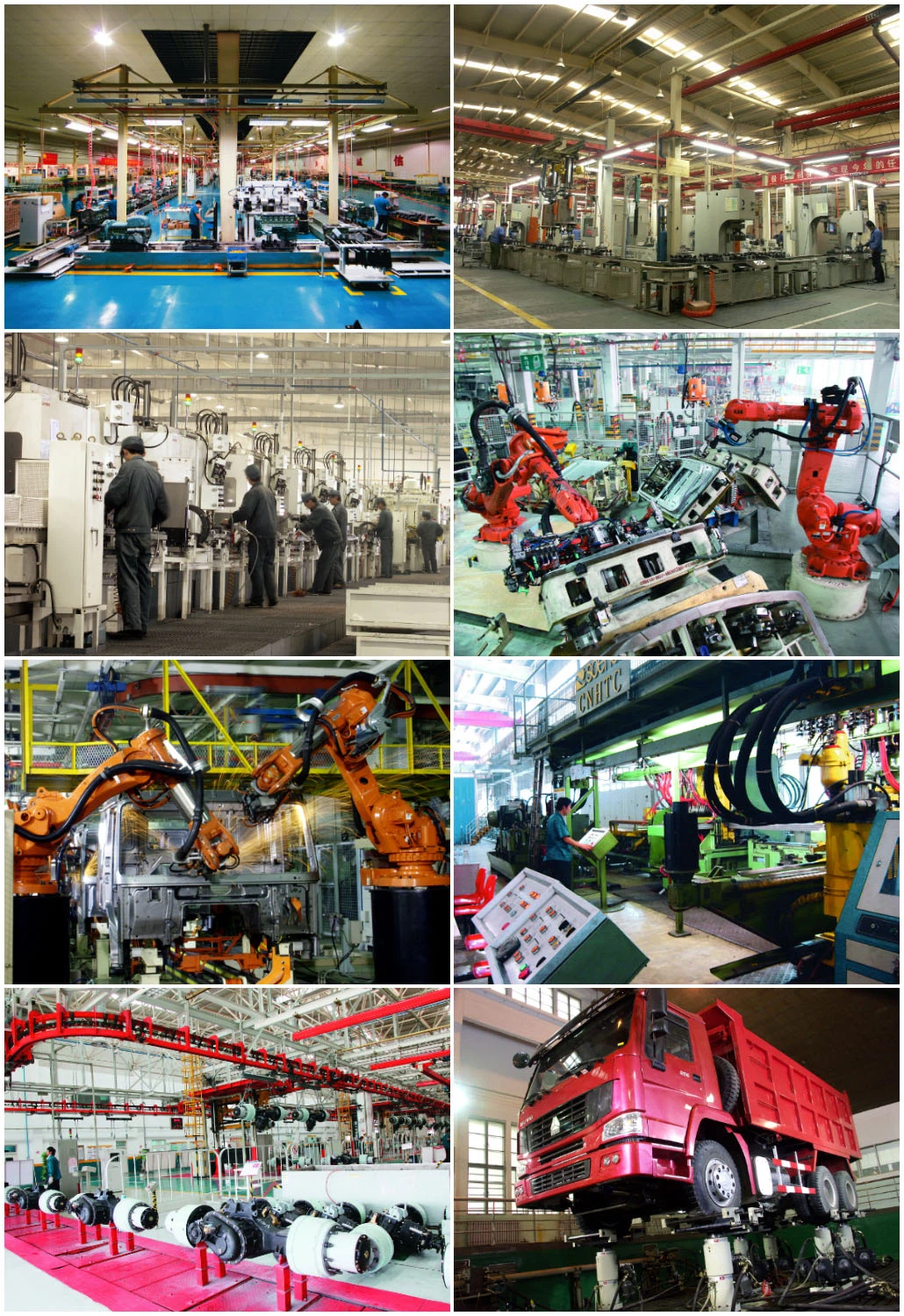
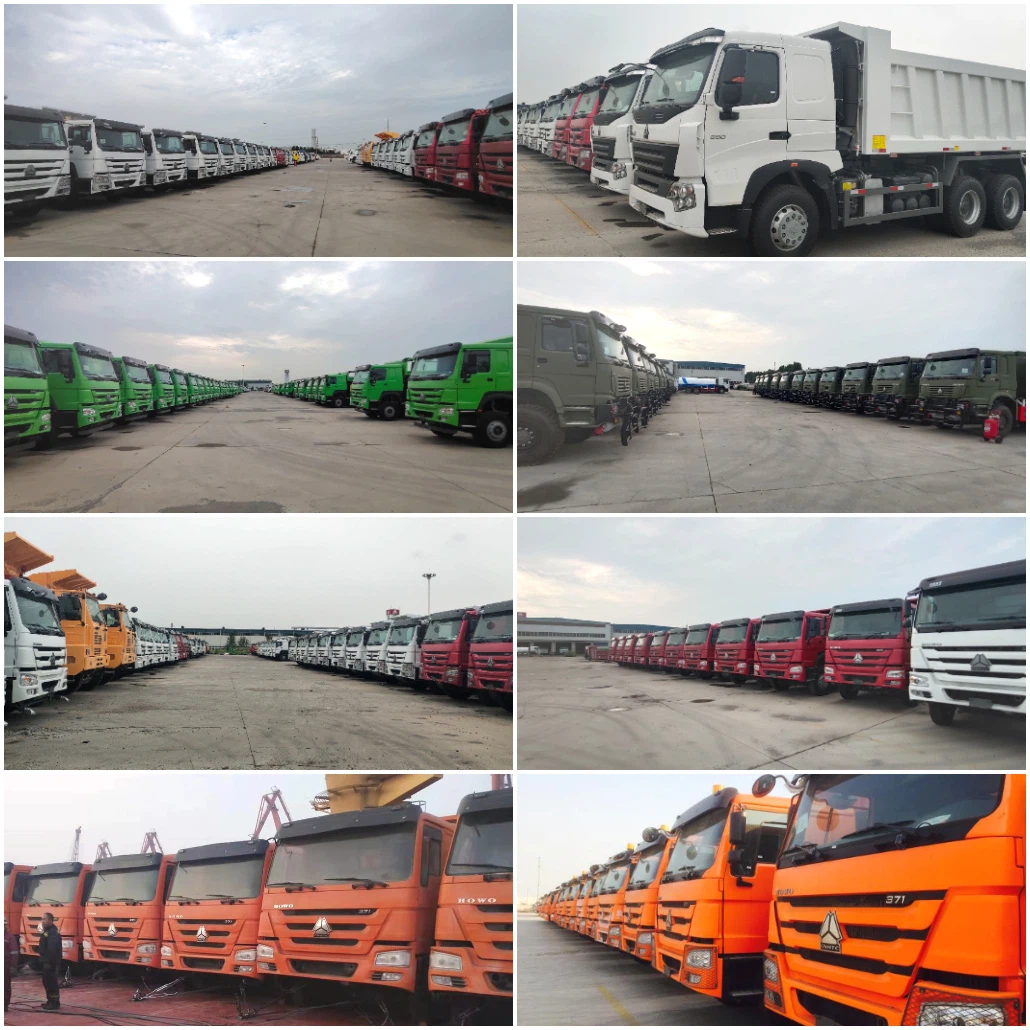
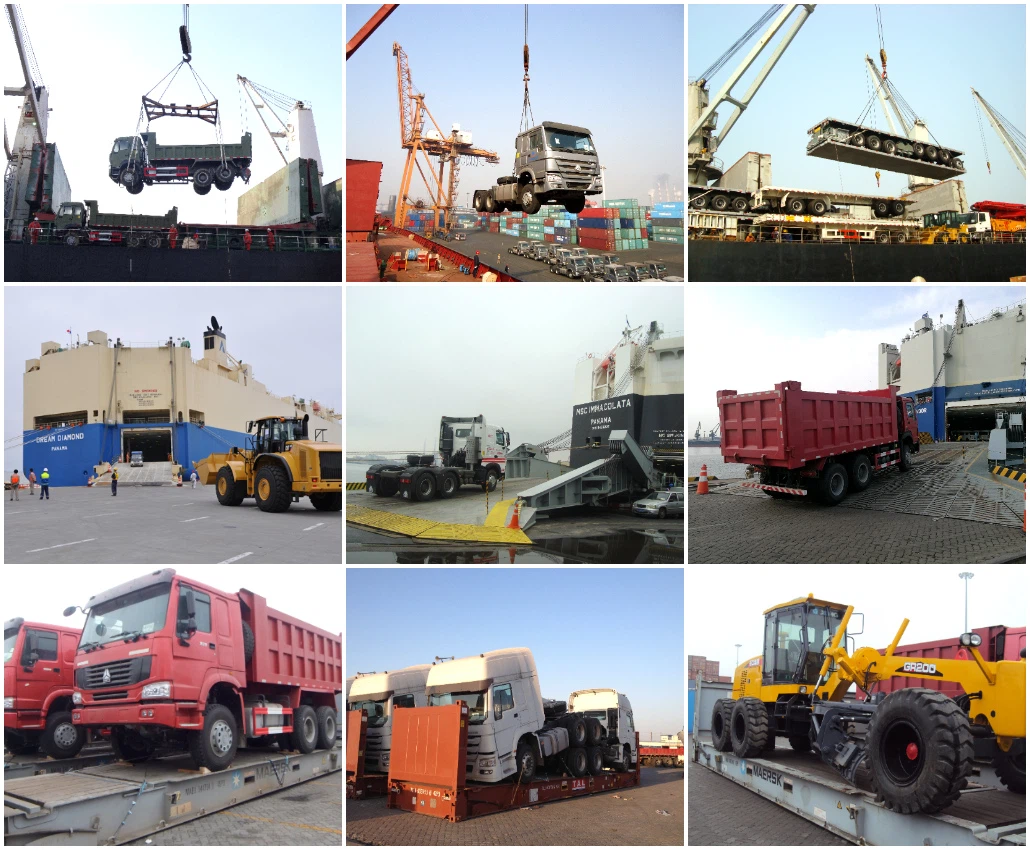
SINOTRUK SALES & SERVICE CO., LTD is export sales and service company for HOWO, HOWO A7 series trucks to world wide markets. China National Heavy Duty Truck Group Co. Ltd. (hereinafter referred to as the "SINOTRUK"), founded in 1956, is the cradle of heavy-duty automobile industry of China. Manufactured China's first heavy duty truck - the Yellow River brand JN150 8 tons of Cargo Truck in 1960; Successfully introduced Austria STEYR project, SINOTRUK is the first heavy automobile enterprise which bring in comprehensive introduction of overseas manufacturing technology. SINOTRUK was established following reform and restructuring in 2001and has become the domestic and foreign well-known heavy duty truck Research-Development and manufacturing enterprise group after almost 20 years of development.
FAQ
We're well-known as one of the leading flatbed semi trailer manufacturers and suppliers in China. Please feel free to wholesale high-grade flatbed semi trailer in stock here from our factory. All customized products are with high quality and competitive price. Contact us for more details.
3 axle drawbar trailer, mega semi trailer, used 53 trailers