


Van Truck
What Is Van Truck
A van truck, commonly referred to as a box truck or cube truck, is a type of commercial vehicle that combines the characteristics of both a van and a truck. It consists of a cab and a large cargo area enclosed by walls and a roof, creating a box-like structure. This design provides secure transportation for goods and is widely used for local and regional deliveries. The cargo area is typically accessed through large rear doors, and some models may have side doors for easier loading and unloading. Van trucks come in various sizes, with capacities ranging from a few hundred cubic feet to several thousand. They are powered by diesel or gasoline engines and can be equipped with features like lift gates and air conditioning.
Advantages of Van Truck
Enclosed storage
One of the most significant advantages of a van truck is its fully enclosed storage area. This feature protects cargo from the elements, such as rain, snow, wind, and sun, ensuring that sensitive items remain safe and undamaged during transit. It also provides security against theft and vandalism, as the cargo is not visible from the outside.
Flexibility
Van trucks come in various sizes and configurations, making them suitable for a wide range of transportation needs. Whether you need to move large appliances, furniture, construction materials, or smaller items, there is a van truck that can accommodate your load. This flexibility allows businesses to adapt their transportation capabilities to changing demands without investing in multiple specialized vehicles.
Efficiency
Van trucks are designed to maximize cargo space while minimizing empty space. The enclosed storage area allows for efficient loading and unloading, as items can be stacked and organized without concern for weather exposure. Additionally, many van trucks feature lift gates or ramps, which facilitate easy access to the cargo area, further enhancing efficiency.
Cost-effectiveness
Compared to other types of commercial vehicles, van trucks are relatively affordable to purchase and operate. Their fuel efficiency is generally better than that of larger trucks, resulting in lower operating costs. Furthermore, their versatility means that they can be used for a variety of tasks, reducing the need for multiple specialized vehicles, which can save money on maintenance and insurance costs.
Maneuverability
Van trucks are typically smaller and more maneuverable than larger trucks, making them ideal for navigating tight city streets and congested traffic areas. They can easily fit into standard parking spaces and are less likely to cause traffic obstructions. This maneuverability also enables drivers to make quick deliveries and pickups, improving overall efficiency.
Safety
Van trucks prioritize safety features to protect both the driver and the cargo. Many models come equipped with advanced driver assistance systems (adas) such as lane departure warnings, blind spot detection, and collision avoidance systems. These features help prevent accidents and keep drivers safe on the road. Additionally, the enclosed storage area keeps cargo secure during transit, reducing the risk of accidents caused by shifting loads or falling debris.
-
 HOWO 4*2 Van TruckEngine HP: 116HP-154HP. Transmission: WLY6T46. Certificate: CCC, BV, SGS, ISO9001, WMI.Add to Inquiry
 -
 HOWO 4*2 8T Van TruckDriving Type: 4x2 / 6 Wheels / 2 Axles. Engine HP: 116HP-154HP. Transmission: WLY6T46. Certificate:Add to Inquiry


- Tel: +8616678784677
- Email: export@sinotruks.net.cn
- Add: No.17670, Panwang Road, Zhangqiu District, Jinan City, Shandong Province, China.
Why Choose Us
High quality
Our products are manufactured or executed to a very high standard, using the finest materials and manufacturing processes.
Advanced equipment
A machine, tool or instrument designed with advanced technology and functionality to perform highly specific tasks with greater precision, efficiency and reliability.
Quality control
We have built a professional quality control team to accurately inspect every raw material and every production process.
Customized services
We understand that each customer has unique manufacturing needs. That’s why we offer customization options to cater to your specific requirements.
One-stop solution
At our manufacturing facilities, we provide a complete package that includes everything required to get you started, including training, installation and support.
24H online service
We try and respond to all concerns within 24 hours and our teams are always at your disposal in case of any emergencies.
Types of Van Truck


Cargo van
Smallest among the van trucks, cargo vans are typically built on a van chassis with an integral body. They are ideal for small businesses or individuals who need to transport items locally. Cargo vans have limited capacity but offer maneuverability and fuel efficiency.
Step van
Often used for food services, courier operations, and small package deliveries, step vans have a unique boxy shape with a flat nose, which provides more interior space than a cargo van. They are designed for frequent stops and easy access to the cargo area.
Box truck
Box trucks are characterized by their separate cab and cargo area, which is enclosed by walls and a roof. They come in various lengths and heights, with gross vehicle weights (gvw) that can exceed 26,000 pounds, requiring a commercial driver's license (cdl) to operate. These trucks are used for medium-distance deliveries and are adaptable to different industries.
Refrigerated van truck
Also known as a reefer, these trucks have insulated panels and a refrigeration unit to maintain a cool environment. They are essential for the transportation of perishable goods, such as produce, meat, dairy, and pharmaceuticals.
Straight truck
Similar to box trucks, straight trucks have a single frame and do not have a trailer attached. They come in various configurations and sizes, including those that can carry heavy loads and require a cdl to operate.
Tow truck
Specialized van trucks designed for towing vehicles. They have a flatbed or a wheel lift system to hoist and secure the towed vehicle. Tow trucks are used by law enforcement, roadside assistance services, and auto repair shops.
Dump truck
Modified van trucks with an open-box bed that can tip to unload materials like sand, gravel, dirt, and demolition debris. Dump trucks are critical in construction and infrastructure projects.
Tanker truck
Although not a traditional van truck due to their cylindrical tanks, some tanker trucks are based on a van chassis. They are designed to transport liquids or gases and are equipped with specialized fittings and safety measures.
Utility truck
These trucks have a cargo area with sides that can be removed to accommodate larger items or equipment. Utility trucks are commonly used by telecommunications, electrical, plumbing, and landscaping services.
Custom van truck
For specialized applications, companies may customize a van truck to meet their unique requirements. This could include adding shelves, racks, toolboxes, and other modifications to enhance functionality.
How to Store Van Truck
Choose the right location
Select a storage location that is dry, secure, and easily accessible. Ideally, it should be under a covered structure like a garage, carport, or storage facility to protect the vehicle from weather elements. If outdoor storage is necessary, ensure there is adequate shelter and that the truck is facing away from direct sunlight.
Clean the vehicle
Before storage, thoroughly clean the van truck inside and out. Wash off any dirt, mud, or debris. Pay special attention to the undercarriage, wheels, and tires. Dry the vehicle completely to prevent rust and mildew buildup.
Check fluids and tires
Ensure all fluids, including oil, coolant, brake fluid, and transmission fluid, are at the correct levels and fresh. Top off the washer fluid if needed. Check tire pressure and inflate them to the recommended level. Consider using tire savers or jack stands to take the weight off the tires if the vehicle will be stored for an extended period.
Protect the battery
If the vehicle will not be used for an extended time, disconnect the battery to prevent discharge. Clean the terminals and coat them with dielectric grease to prevent corrosion. Store the battery in a cool, dry place, ideally connected to a trickle charger or battery tender to maintain its charge.
Fuel stabilization
Add a fuel stabilizer to the gas tank to prevent fuel deterioration and gumming up of the carburetor or injectors. Run the engine for a few minutes to allow the stabilizer to circulate through the system.
Lubricate moving parts
Lubricate all moving parts, such as door hinges, latches, and locks, to prevent rust and ensure smooth operation when the vehicle is next used.
Secure the vehicle
Lock all doors and windows, and engage the steering lock if available. Use a quality vehicle cover to protect the exterior from dust, scratches, and uv damage. For added security, consider using wheel locks or a vehicle immobilizer.
Regular inspections
Even when stored, it’s important to inspect the van truck periodically. Check for signs of pests, rodents, or moisture damage. Start the engine, let it run for a few minutes, and check for any unusual noises or leaks.
Insurance coverage
Keep your van truck insured during storage. Insurance policies can cover theft, vandalism, and damage caused by natural disasters or accidents while the vehicle is stationary.
E-commerce deliveries
The rise of online shopping has increased the demand for last-mile deliveries. Van trucks are perfect for this purpose because they can navigate through urban environments, delivering packages directly to residential or commercial addresses. Their enclosed storage space keeps goods protected during transit, and their compact size allows for easy parking and delivery.
Local distribution
Businesses that distribute products within a city or region often rely on van trucks. These trucks can make multiple stops throughout the day, delivering goods to retailers, warehouses, and distribution centers. Their efficiency and maneuverability make them ideal for this type of operation.
Construction and infrastructure
Van trucks are used extensively in the construction industry to transport building materials, tools, and equipment to job sites. Refrigerated van trucks can also transport perishable materials that need to be kept cold, such as concrete or mortar. Dump trucks, a type of van truck, are used to transport excavated material away from construction sites.
Food services
Van trucks are used by restaurants, catering companies, and food distributors to transport ingredients, supplies, and prepared meals. Refrigerated van trucks ensure that perishable foods remain fresh during transit, while dry van trucks can transport non-perishable goods.
Medical and pharmaceutical
Van trucks are used to transport medical supplies, equipment, and pharmaceuticals. Refrigerated van trucks are especially important for transporting vaccines and other temperature-sensitive medications.
Automotive industry
Van trucks are used by automobile manufacturers, dealerships, and repair shops to transport cars, parts, and tools. Tow trucks, a type of van truck, are used to tow broken-down or disabled vehicles.
Event planning and management
Event planners and managers often rely on van trucks to transport equipment, supplies, and decorations to event venues. Their enclosed storage space keeps everything secure during transit, and their compact size allows for easy parking and delivery.
Precautions When Using Van Truck
Pre-trip inspection
Conduct a thorough inspection of the van truck before each trip. Check the tires for proper inflation and wear, examine the brakes, lights, mirrors, windshield wipers, and fluid levels. Make sure that all safety equipment, such as fire extinguishers and first-aid kits, is present and functional.
Load securement
Properly secure the cargo to avoid shifting during transit, which could lead to loss of control or a tipping accident. Use tie-down straps, chains, or other securing devices appropriate for the load, and distribute the weight evenly across the truck's axles.
Driving precautions
Adjust your driving according to the size and weight of the van truck. Be aware of the increased stopping distance and reduced maneuverability compared to smaller vehicles. Drive at safe speeds, maintain a safe following distance, and avoid sudden lane changes or turns.
Weather conditions
Be extra cautious in adverse weather conditions. Rain, snow, ice, and fog can significantly affect visibility and traction. Reduce your speed, increase following distance, and avoid unnecessary risks. Use headlights in poor visibility and consider winter tires or chains in snowy conditions.
Road conditions
Be vigilant of road conditions, especially if the truck is loaded. Potholes, uneven surfaces, and debris can cause damage to the vehicle or disrupt the load. Drive slowly over bumps and try to avoid rough roads when possible.
Regular maintenance
Keep the van truck well-maintained with regular servicing. Check the brakes, alignment, suspension, and steering systems regularly. Follow the manufacturer's recommendations for oil changes, filter replacements, and other routine maintenance tasks.
Driver training and experience
Ensure that the driver has the appropriate training and experience to operate the van truck safely. This includes understanding how to handle the vehicle's size and weight, as well as knowledge of defensive driving techniques and traffic laws.
Loading and unloading precautions
Use caution when loading and unloading the van truck. Follow proper lifting techniques to prevent injuries, and use mechanical aids such as forklifts or pallet jacks when necessary. Always secure the load before driving and double-check that everything is fastened correctly upon arrival.
How Do I Choose the Right Van Truck
Size and capacity
Consider the dimensions and volume of the cargo to select a van truck with sufficient space. Pay attention not only to the length and width but also to the height of the interior, ensuring that your largest items fit with ease.
Payload capacity
The payload capacity refers to the maximum weight the van truck can carry, including the weight of the vehicle itself. Ensure that this figure exceeds the combined weight of your typical loads to avoid overloading.
Fuel efficiency
Fuel costs can significantly impact your bottom line. Look for models with good fuel efficiency, especially if you plan to cover long distances frequently. Diesel engines typically offer better fuel economy for heavy-duty work, while electric or hybrid models can be more cost-effective for shorter routes.
Reliability and durability
Opt for a van truck known for reliability and built to withstand the rigors of daily use. Research the brand's reputation, read reviews from other users, and check warranties offered.
Drivetrain and performance
Decide between two-wheel drive (2wd) and four-wheel drive (4wd) based on your operating environment. 4wd is beneficial in off-road conditions or areas with harsh weather, while 2wd is usually sufficient for paved roads.
Technology and features
Look for modern technology and features that enhance safety and convenience, such as gps navigation, backup cameras, lane departure warnings, and electronic stability control.
Resale value
If you plan to upgrade or sell the van truck in the future, consider its resale value. Some brands and models hold their value better than others.
Design and engineering
The first step in the production process is the design and engineering phase. This involves creating detailed plans and specifications for the van truck, taking into account factors such as performance requirements, safety standards, and aesthetic considerations. Engineers use computer-aided design (cad) software to create three-dimensional models of the van truck, which can be analyzed and modified before production begins.
Material selection
Once the design is complete, engineers select the appropriate materials for the van truck's components. This involves considering factors such as strength, durability, weight, and cost. Common materials used in van truck production include steel, aluminum, plastic, and rubber.
Manufacturing process
The next step is the actual manufacturing process, which involves several sub-processes such as cutting, welding, forming, and assembly. Cutting involves using machines such as saws or lasers to cut materials into the desired shapes and sizes. Welding involves joining metal parts together using heat and pressure, while forming involves shaping metal parts using dies or presses. Assembly involves putting together all of the components of the van truck, including the engine, transmission, body, and interior.
Quality control
Throughout the production process, quality control is critical to ensuring the integrity and safety of the van truck. This involves inspecting each component and the finished product for defects and inconsistencies. Quality control measures may include visual inspections, x-ray examinations, and mechanical testing.
Testing
Once the van truck is assembled, it undergoes a series of tests to ensure that it meets all performance and safety standards. This may include road tests to evaluate the handling, braking, and acceleration of the vehicle, as well as emissions testing to ensure that it meets environmental standards.
Engine
The engine is the heart of the van truck, converting fuel into mechanical energy to power the vehicle. It consists of various parts, including the cylinder block, pistons, crankshaft, valves, timing belt or chain, and fuel injection system.
Transmission
The transmission is responsible for transferring the engine's power to the wheels. It can be manual or automatic and includes components like gears, clutches, torque converters, and linkages.
Drivetrain
The drivetrain connects the transmission to the wheels and includes the driveshaft, differential, and cv joints (constant velocity joints). In four-wheel-drive systems, additional components like transfer cases and front and rear axles are included.
Chassis
The chassis is the skeleton of the van truck, providing structural support for the body and all other components. It consists of the frame, axles, springs, shock absorbers, and steering system.
Braking system
The braking system is critical for slowing down or stopping the van truck. It includes brake pads or shoes, discs or drums, calipers, master cylinder, and brake lines or hoses.
Suspension
The suspension system absorbs shocks and vibrations from the road, ensuring a smooth ride. It typically includes springs, shock absorbers, control arms, ball joints, and stabilizer bars.
Wheels and tires
Wheels provide the mounting point for the tires, which make contact with the road. The tire size, tread pattern, and pressure are crucial for performance and safety.
Exhaust system
The exhaust system directs engine exhaust gases away from the vehicle, reducing noise and emissions. It includes the exhaust manifold, catalytic converter, muffler, and tailpipe.
Fuel system
The fuel system delivers fuel from the tank to the engine. It includes the fuel tank, fuel pump, fuel lines, filters, and injectors or carburetor.
Cooling system
The cooling system regulates the engine's temperature by circulating coolant through the engine and radiator. It consists of the water pump, radiator, thermostat, and hoses.
Determining the payload capacity of a van truck is essential for ensuring that the vehicle is not overloaded, which could lead to safety issues and potential legal consequences. Payload capacity refers to the maximum amount of weight that a vehicle can safely carry, including the weight of the cargo, passengers, and any additional equipment mounted on the vehicle. The weight of the van truck when it is empty, with all standard equipment installed and a full tank of fuel. Gross Vehicle Weight Rating (GVWR): The maximum allowable weight of a fully loaded van truck, as determined by the manufacturer. This includes the curb weight plus the weight of cargo, passengers, and any additional equipment. Locate the curb weight and GVWR specifications in the owner’s manual or on the manufacturer’s website. These figures are usually listed on a sticker inside the driver’s door jamb or in the glove compartment. If you cannot find these figures, contact the manufacturer directly. To determine the payload capacity, subtract the curb weight from the GVWR. For example, if the curb weight is 4,500 pounds and the GVWR is 8,500 pounds, the payload capacity would be 4,000 pounds. When calculating payload capacity, remember to account for the weight of passengers, fuel, and any additional equipment mounted on the vehicle. These factors can significantly affect the available payload capacity. It’s also important to consider the distribution of weight. An unevenly loaded van truck can affect handling and stability, so try to distribute weight evenly throughout the cargo area. Never exceed the calculated payload capacity. Overloading a van truck can cause premature wear on components, reduce fuel efficiency, and increase the risk of accidents.
In a front-wheel drive (FWD) setup, the engine's power is transmitted directly to the front wheels of the vehicle. This configuration simplifies the drivetrain, eliminating the need for a driveshaft and rear differential, which results in a lighter vehicle and potentially improved fuel efficiency. Since the weight of the engine is located over the driven wheels, FWD vehicles typically have better traction in slippery conditions like rain or snow. This is because the weight bias over the front wheels helps to push down on the tires, increasing grip on the road surface. Another advantage of FWD is the space-saving design. Without the need for a driveshaft running under the vehicle, manufacturers can create more interior space or design the van with a lower floor, making it easier to load and unload cargo. This configuration is also beneficial for city driving, as the smaller turning radius and reduced overall length make maneuvering in tight spaces easier. FWD systems have their limitations. Due to the combined function of steering and driving, FWD vehicles often suffer from torque steer—a phenomenon where the front wheels tend to pull to one side under acceleration. This can affect handling precision and stability, especially at higher speeds or when carrying heavy loads. Additionally, since the front wheels are responsible for both steering and driving, there is a potential for reduced traction and handling balance when cornering, as the weight shifts to the outside of the turn. On the other hand, rear-wheel drive (RWD) systems place the engine's power output at the rear wheels, requiring a driveshaft to transfer power from the engine to the rear axle. RWD vehicles typically offer better handling and a more balanced weight distribution, which enhances stability during high-speed driving and cornering. This configuration allows for a more even distribution of weight between the front and rear axles, resulting in better traction and grip across all surfaces.

Our Factory
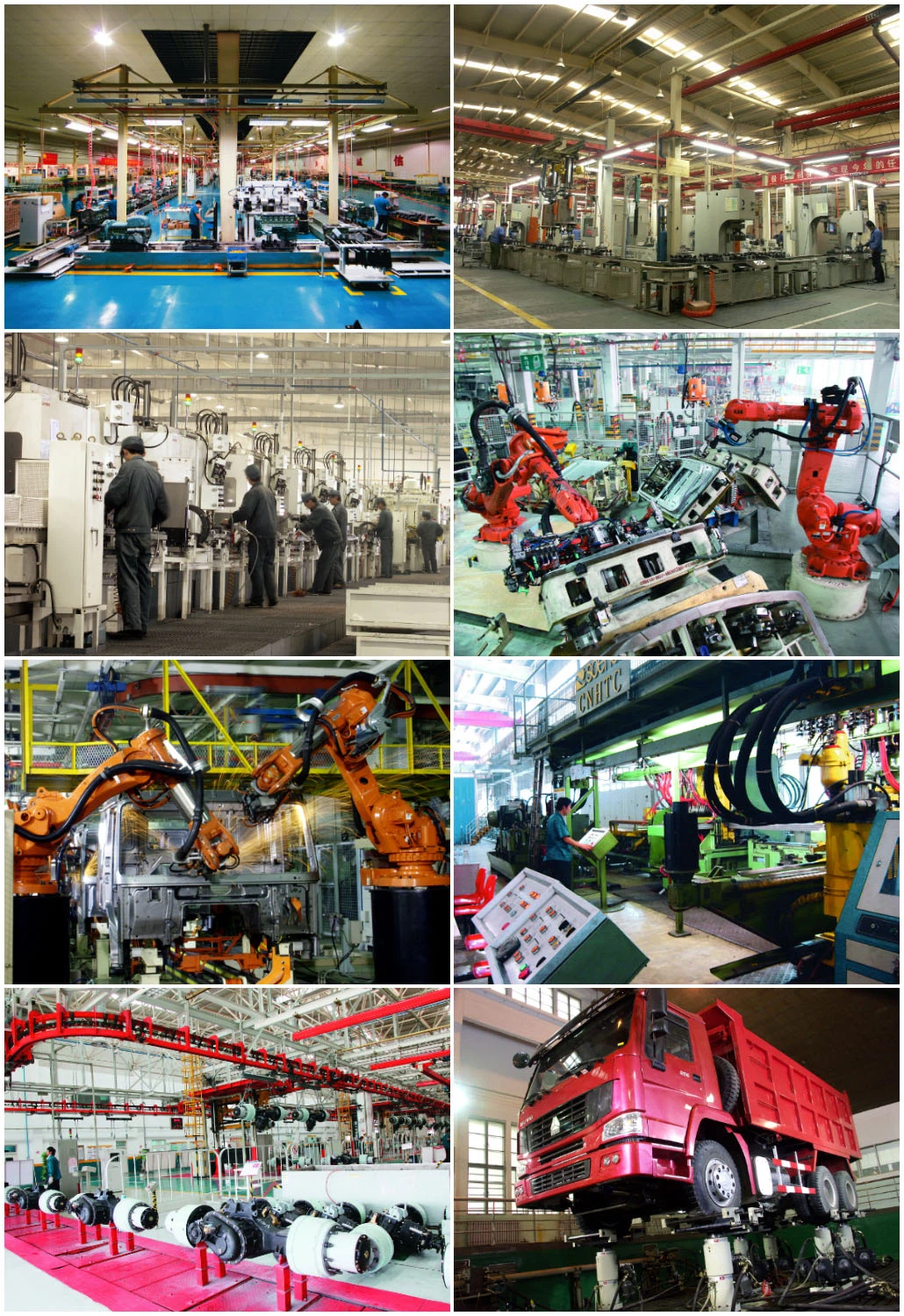
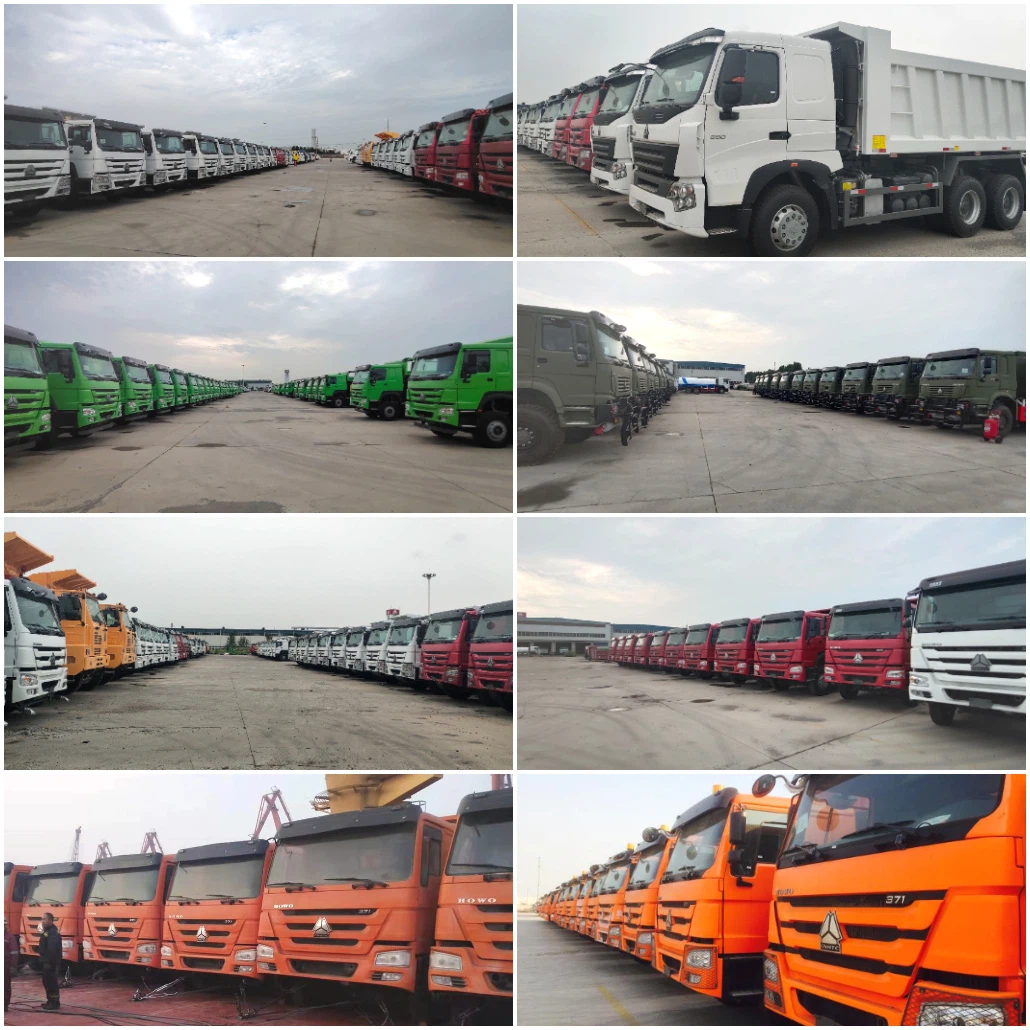
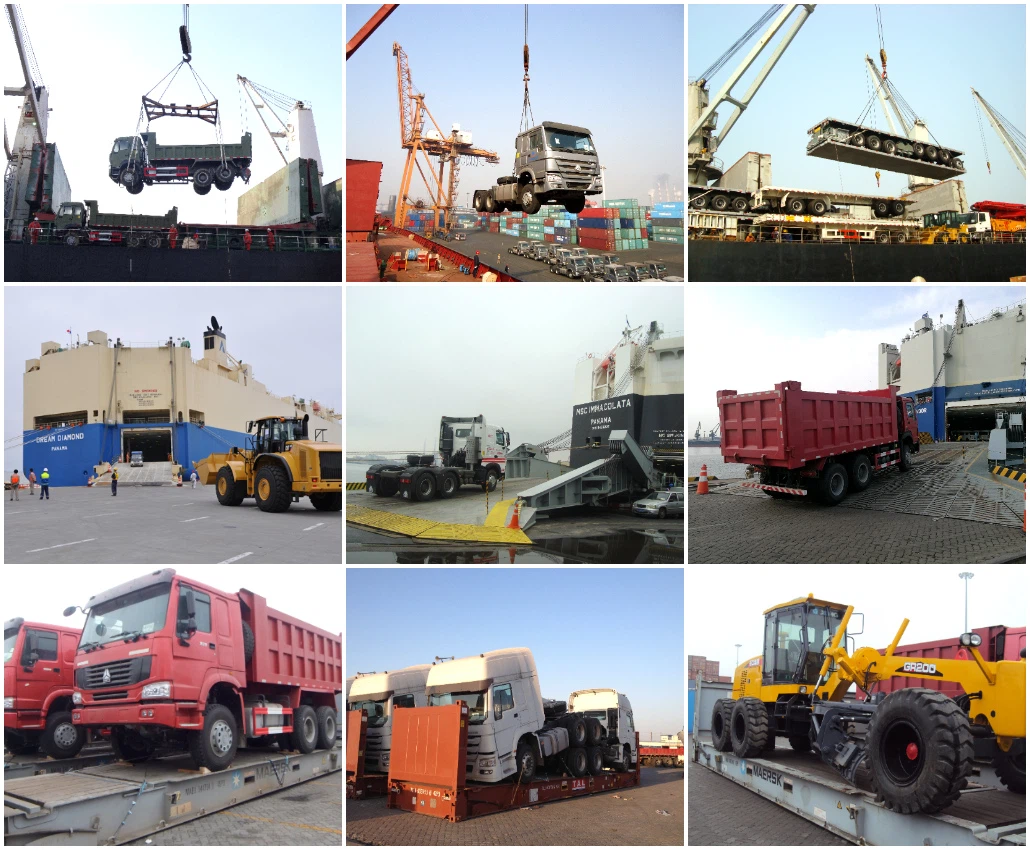
SINOTRUK SALES & SERVICE CO., LTD is export sales and service company for HOWO, HOWO A7 series trucks to world wide markets. China National Heavy Duty Truck Group Co. Ltd. (hereinafter referred to as the "SINOTRUK"), founded in 1956, is the cradle of heavy-duty automobile industry of China. Manufactured China's first heavy duty truck - the Yellow River brand JN150 8 tons of Cargo Truck in 1960; Successfully introduced Austria STEYR project, SINOTRUK is the first heavy automobile enterprise which bring in comprehensive introduction of overseas manufacturing technology. SINOTRUK was established following reform and restructuring in 2001and has become the domestic and foreign well-known heavy duty truck Research-Development and manufacturing enterprise group after almost 20 years of development.
FAQ
We're well-known as one of the leading van truck manufacturers and suppliers in China. Please feel free to wholesale high-grade van truck in stock here from our factory. All customized products are with high quality and competitive price. Contact us for more details.
HOWO 4*2 Van Truck, new tractor trailer trucks, super tag dump truck