


Dump Semi Trailer
What Is Dump Semi Trailer
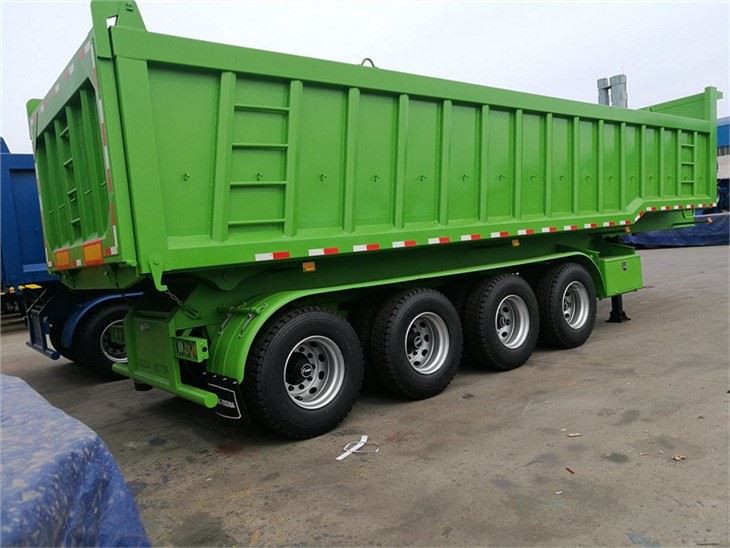
A dump semi-trailer, also known as a dump truck or a bottom dumper, is a specialized type of trailer designed for transporting bulk materials like sand, gravel, aggregates, and waste. It features a large box-shaped cargo area with sides that can be hydraulically raised or lowered to dump the contents at the desired location. The floor of the trailer is hinged at the rear, and when activated, the hydraulic system lifts the front end, allowing the material to slide out. This design facilitates quick unloading, enhancing efficiency in construction sites, mining operations, and other industries where large quantities of loose materials need to be moved frequently. Dump semi-trailers come in various configurations, including single-axle, tandem-axle, and even three-axle designs, to accommodate different load capacities and to comply with road safety regulations. They are equipped with robust structures to handle heavy loads and are essential in various heavy-duty applications.
Advantages of Dump Semi Trailer
Efficient unloading
The primary advantage of a dump semi trailer is its ability to unload materials quickly and efficiently. With the push of a button or lever, the bed of the trailer tilts upwards, allowing gravity to assist in offloading sand, gravel, dirt, aggregates, and other bulk commodities. This process is significantly faster than manual unloading methods, saving time and reducing labor costs.
Reduced spillage
There is a higher risk of spillage due to human error or improper handling. Dump semi trailers minimize this risk by providing a controlled and consistent dumping action. The precise tilt angle and smooth operation of the hydraulic system help ensure that materials are deposited where intended, reducing waste and environmental contamination.
Increased safety
Manual unloading of heavy materials can be dangerous, leading to injuries such as strains, sprains, and falls. Dump semi trailers reduce the need for physical labor, thereby enhancing worker safety. Additionally, the controlled dumping process reduces the risk of materials shifting during transit, which can cause accidents or tip-overs.
Versatility
Dump semi trailers are versatile and can be used to transport a wide range of materials, from construction debris and landscaping materials to agricultural products and industrial waste. They are particularly well-suited for transporting materials that are prone to shifting or settling during transit, as they can be easily leveled and adjusted to maintain an even distribution of weight.
Enhanced productivity
The ability to quickly and efficiently unload materials allows dump semi trailers to make more trips in a shorter period of time, increasing overall productivity. This is especially beneficial in industries with tight deadlines or peak seasons, where timely delivery of materials is critical.
Durability and longevity
Dump semi trailers are designed to withstand the rigors of transporting heavy and abrasive materials. They are typically constructed from high-strength steel and feature reinforced beds and frames to resist wear and tear. This durability ensures a longer service life and reduces the need for frequent repairs or replacements.
-
 Truck Semi TrailerPrimer coat+ top coat after sand blasting, color according to Customer’s requirementAdd to Inquiry
 -
 Dumper TrailerDual lines air brake system, T30/30 on all Axles, WABCO brake valve ,without ABSAdd to Inquiry
 -
 Tipping TrailerPrimer coat+ top coat after sand blasting, color according to Customer’s requirementAdd to Inquiry
 -
 Dumping TrailerLength: Approx 10,500mm. Width: Approx 2,550 mm. Height: Approx 3,800mm @ unload. King PinAdd to Inquiry
 -
 Tipper TrailerDual lines air brake system, T30/30 on all Axles, WABCO brake valve ,without ABSAdd to Inquiry
 -
 Dump TrailerDual lines air brake system, T30/30 on all Axles, WABCO brake valve ,without ABSAdd to Inquiry
 -
 6 Axle Dump Semi TrailerPrimer coat+ top coat after sand blasting, color according to Customer’s requirementAdd to Inquiry


- Tel: +8616678784677
- Email: export@sinotruks.net.cn
- Add: No.17670, Panwang Road, Zhangqiu District, Jinan City, Shandong Province, China.
Why Choose Us
High quality
Our products are manufactured or executed to a very high standard, using the finest materials and manufacturing processes.
Advanced equipment
A machine, tool or instrument designed with advanced technology and functionality to perform highly specific tasks with greater precision, efficiency and reliability.
Quality control
We have built a professional quality control team to accurately inspect every raw material and every production process.
Customized services
We understand that each customer has unique manufacturing needs. That’s why we offer customization options to cater to your specific requirements.
One-stop solution
At our manufacturing facilities, we provide a complete package that includes everything required to get you started, including training, installation and support.
24H online service
We try and respond to all concerns within 24 hours and our teams are always at your disposal in case of any emergencies.
Types of Dump Semi Trailer


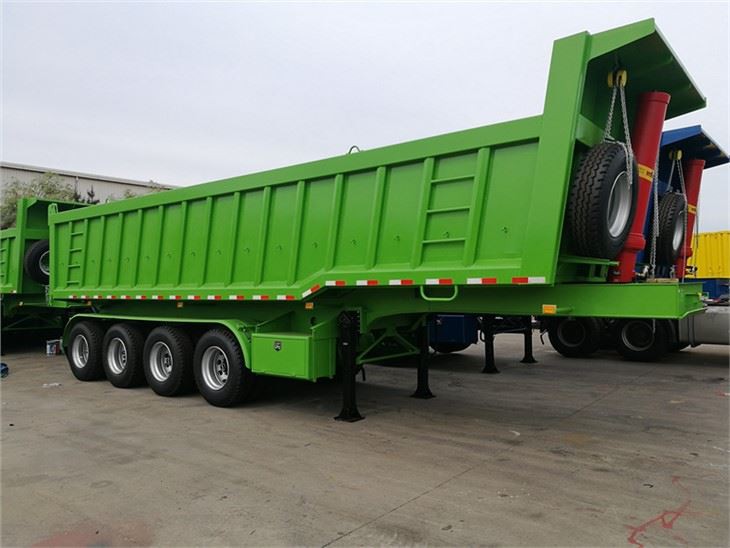
Standard dump trailers
These are the most common type of dump trailers, typically featuring a rectangular body with straight sides and a v-shaped bottom. They are designed to handle a wide range of materials, including aggregates, dirt, and construction debris. Standard dump trailers usually have a single axle but can also be found with tandem or tri-axle configurations for added stability and weight capacity.
End dump trailers
Also known as bottom dump trailers, these trailers have a hinge at the rear and a gate that opens at the to allow the contents to slide out toward the back. This type is particularly useful for unloading materials into deep pits or trenches. End dump trailers can be further categorized into side-dumping and rear-dumping variants, with side-dumping trailers having a hinge on one side and the rear-dumping trailers having a gate that opens.
Transfer dump trailers
These trailers consist of two sections: A tractor-trailer unit and a transfer trailer. The transfer trailer detaches from the tractor and can be moved independently using its own wheels and a separate motor. This design is beneficial for transporting materials over long distances and for delivering materials to multiple job sites.
Side dump trailers
Side dump trailers have a hinge along the length of one side, allowing the entire body of the trailer to tilt and dump its contents to the side. This type is ideal for unloading materials into narrow spaces or alongside existing piles. They are particularly popular in regions where space is limited, and traditional end dump trailers cannot be easily maneuvered.
Lowboy dump trailers
Lowboy dump trailers are designed with a very low profile, making them suitable for carrying tall, bulky loads that would not fit in a standard dump trailer. They are commonly used for transporting heavy machinery and large construction equipment.
Chassis/pup dump trailers
These trailers are essentially a flat chassis with a dump body attached to the rear. The "pup" refers to a smaller dump trailer that can be coupled behind the primary chassis, creating a train of dump trailers for transporting more material.
Tandem axle dump trailers
These trailers have two axles instead of one, providing a smoother ride and the ability to carry heavier loads. The extra axle also helps distribute the weight more evenly across the trailer, improving stability and reducing wear on the roads.
Tri-axle dump trailers
With three axles, these dump trailers offer even greater weight distribution and stability compared to tandem axle models. They are capable of carrying extremely heavy loads and are often used for the most demanding applications.
Offset dump trailers
Designed with an off-center hinge and dump gate, offset dump trailers allow for precise control over the direction and angle of the dumped material. This feature is particularly useful in situations where the material needs to be placed accurately onto a conveyor belt or into a specific area.
Hopper bottom dump trailers
Hopper bottom dump trailers have a bin-like body with gates that open to release the contents. They are commonly used for transporting and unloading materials like grain, fertilizer, and other bulk commodities.
Clean the trailer
Before storage, clean the interior and exterior of the dump semi-trailer thoroughly. Remove any debris, mud, or spilled materials from the bed. Wash the trailer with soap and water, paying special attention to the undercarriage and wheel wells. This prevents rust and corrosion. After washing, dry the trailer completely to avoid moisture-related issues.
Inspect and repair
Conduct a thorough inspection of the trailer, looking for any signs of damage, wear, or potential problems. Check the tires for proper inflation, tread depth, and any visible damage. Inspect the brakes, lights, and electrical systems. If any repairs are necessary, complete them before storing the trailer.
Lubricate moving parts
Apply lubricant to all moving parts such as hinges, latches, and the tailgate mechanism to prevent rust and ensure smooth operation when the trailer is next used.
Choose the right location
Select a storage location that is dry, secure, and away from direct sunlight. A covered structure, such as a barn or a shed, is ideal. If outdoor storage is unavoidable, use a weatherproof cover to protect the trailer from the elements.
Level surface
Store the trailer on a level surface to prevent uneven tire wear and stress on the frame. If possible, place jack stands under the axles to take the weight off the tires and suspension system.
Secure the trailer
If the trailer will be stored for an extended period, it's important to secure it to prevent movement due to wind or other external forces. Use wheel chocks and tie-down straps to immobilize the trailer.
Disconnect battery
For long-term storage, disconnect the battery to prevent drainage and extend its life. Store the battery in a cool, dry place and charge it every few months if necessary.
Drain fluids
If the trailer will be stored for more than a month or in sub-zero temperatures, consider draining the hydraulic system and fuel tank to prevent freezing and potential damage to the components. Refill the fluids just before putting the trailer back into use.
Protect against pests
Ensure that the storage area is free from rodents and other pests that could cause damage to wiring, upholstery, or structural components.
Regular maintenance
Even when not in use, regular maintenance is crucial. Check the trailer periodically for signs of rust, leaks, or pest infestations. Keeping the trailer well-maintained during storage will make it easier to put back into service.
Application of Dump Semi Trailer
Construction industry
The construction industry relies heavily on dump semi-trailers for the transportation of aggregates, soil, sand, gravel, and other building materials. These trailers are indispensable in large-scale projects like road construction, building skyscrapers, and laying foundations. They ensure that materials are delivered quickly and efficiently to the work site, enabling contractors to maintain tight schedules.
Mining operations
Mines produce vast amounts of ore, coal, and other minerals that need to be transported from the extraction site to processing facilities or ports for export. Dump semi-trailers, especially those with high weight capacities, are essential in this industry. They are built to handle the rough terrain often found in mining areas and are equipped to carry heavy loads over long distances.
Waste management
Dump semi-trailers are crucial in collecting and transporting municipal solid waste, construction debris, and hazardous materials. They facilitate efficient waste disposal and recycling processes by ensuring that collected materials are promptly delivered to landfills, sorting facilities, or treatment plants.
Agriculture
In the agricultural sector, dump semi-trailers are used for transporting crops, livestock feed, fertilizers, and other farming supplies. They help farmers manage large quantities of produce during harvest seasons and ensure timely delivery of inputs to fields and farms.
Infrastructure development
Public works projects such as bridges, tunnels, and dams require the transportation of large volumes of construction materials. Dump semi-trailers are instrumental in moving these materials from quarries and manufacturing sites to remote locations where infrastructure is being developed.
Landscaping and gardening
For landscaping projects, dump semi-trailers are employed to transport topsoil, mulch, stones, and other landscaping materials. They enable gardeners and landscapers to create beautiful outdoor spaces with ease.
Demolition and renovation
When buildings are demolished or renovated, a significant amount of debris is generated. Dump semi-trailers are used to clear away this waste material and dispose of it properly, ensuring that construction sites are kept clean and safe.
Municipal services
Local governments utilize dump semi-trailers for snow removal during winter months and for transporting materials needed for public works projects. These trailers help municipalities maintain essential services and keep roads accessible.

Using a dump semi-trailer requires careful consideration of safety protocols and best practices to minimize the risk of accidents and ensure the safe handling of materials. Perform a pre-trip inspection before each use to check for any defects or wear on the trailer, including the bed, hinges, tailgate, and hydraulic system. Ensure the tires are properly inflated and have adequate tread depth. Inspect the lighting and signal systems to ensure they are functioning correctly. Verify that all safety chains and latches are secure and in good condition. Check the fluid levels in the hydraulic system, ensuring there are no leaks. Never exceed the maximum load capacity of the trailer. Overloading can lead to structural damage, tipping, and loss of control. Distribute the load evenly to maintain balance and prevent the trailer from becoming unstable. Avoid sharp objects that could puncture the dump bed or damage the hydraulic cylinders. Always operate the dump semi-trailer at a safe speed, taking into account the weight of the load and road conditions. Use caution when changing lanes or making turns, especially with a loaded trailer, which has a wider turning radius. When raising the dump bed, ensure that the area is clear of people, vehicles, and obstacles. Do not raise the dump bed while in motion. Always fully lower the bed before driving. Use the parking brake when the trailer is stationary and raised to prevent accidental lowering. Ensure the unloading area is clear of people, debris, and other hazards. Lower the dump bed slowly and evenly to avoid sudden movements that could cause the load to shift or the trailer to become unstable. Never stand directly beneath the dump bed when unloading, as materials may fall unexpectedly.
How Do I Choose the Right Dump Semi Trailer
Determine your load capacity needs
The first step is to assess the types of materials you will be transporting and their weights. Dump semi-trailers come with varying load capacities, usually ranging from 10 to 40 tons. Ensure that the trailer you choose has a gross vehicle weight rating (gvwr) that meets or exceeds your heaviest loads.
Choose the appropriate bed size
The size of the dump bed is another critical factor. It should be large enough to accommodate the volume of material you intend to transport. Common bed sizes include 8, 10, 12, and 14 feet in length. Consider the dimensions that best suit your typical cargo and job sites.
Material and construction quality
The durability of the dump semi-trailer depends on the materials used in its construction. High-quality steel or aluminum frames provide strength and resistance to wear and tear. Look for trailers with reinforced cross members and flooring suitable for your specific applications.
Dumping mechanism
There are different types of dumping mechanisms available, such as rear, side, bottom, and underbody dumps. Rear dumps are the most common and versatile, but side or bottom dumps might be more suitable for specialized tasks. Choose a mechanism that allows for efficient and safe unloading based on your needs.
Hydraulic system
A reliable hydraulic system is essential for the smooth operation of the dump semi-trailer. Research the brand and quality of the hydraulic components. Ensure that the system is easy to maintain and comes with a warranty.
Tandem or tri-axle configuration
The number of axles affects the trailer's weight distribution and maneuverability. Tandem axles offer better stability for heavier loads, while tri-axles provide even greater capacity and are often required for legal reasons when carrying very heavy loads.
Legal compliance
Be aware of the legal weight limits, axle spacing, and overall dimensions allowed in the areas where you will be operating the dump semi-trailer. Ensure that your chosen trailer complies with all local, state, and federal regulations to avoid fines or penalties.
Production Methods of Dump Semi Trailer
Material selection
Manufacturers select high-strength, durable materials for the construction of the dump semi-trailer. Steel is the most common material used due to its strength and cost-effectiveness. However, aluminum and composites are also used in some applications to reduce weight and improve fuel efficiency.
01
Cutting and forming
Once the materials are selected, they are cut to the required shapes using plasma cutters or laser cutting machines. The cut pieces are then formed into the desired shape using press brakes, bending machines, or rollers. This process involves precise measurements to ensure the parts fit together perfectly.
02
Welding and assembly
The formed parts are welded together by skilled welders using various welding techniques such as mig, tig, or spot welding. Quality control measures are in place to ensure the welds are strong and free of defects. After welding, the major components of the trailer, such as the frame, dump body, and axles, are assembled.
03
Hydraulic system installation
The hydraulic system is a critical component of the dump semi-trailer, responsible for raising and lowering the dump body. The system includes a pump, cylinder, hoses, valves, and a power unit. Skilled technicians install the hydraulic components, ensuring they are properly connected and function smoothly.
04
Painting and finishing
After assembly, the dump semi-trailer is sandblasted to remove any impurities and prepare the surface for painting. Primer is applied to prevent rust and provide a base for the paint. Once the primer dries, the trailer is painted with high-quality enamel or polyurethane paint. Decals and graphics are added to enhance the appearance and branding of the trailer.
05
What Are the Components of Dump Semi Trailer
Deck
The deck is the flat surface of the trailer where cargo is loaded. It is usually constructed of wood planks, aluminum, or steel grating, and it must be strong enough to support the weight. The deck’s surface should be level and free from protrusions that could damage the cargo.
Axles and wheels
Axles are the pivotal components that connect the wheels to the trailer frame. They are responsible for bearing the weight of the cargo and trailer. Wheels are typically equipped with dual tires on each axle to distribute the load evenly and enhance stability.
Suspension system
The suspension system absorbs shocks and vibrations from the road, providing a smoother ride and protecting the cargo and the trailer’s structure. It consists of springs, shock absorbers, and sometimes air bags that can be adjusted to accommodate varying load weights.
Landing gear (legs)
Landing gear consists of retractable legs that support the front end of the trailer when it is detached from the tractor. These legs must be sturdy enough to hold the weight of the trailer when parked.
Tie-down rings and chains
To secure cargo during transit, flatbed trailers are equipped with multiple tie-down rings or hooks strategically placed along the sides and corners. Chains or straps are attached to these rings to restrain the load and prevent shifting during transportation.
Corner protectors
Corner protectors, or rub rails, are strips of metal or rubber that run along the edges of the trailer deck. They protect the cargo and the trailer itself from damage caused by contact with other objects during loading, unloading, or transit.
Lights and electrical system
Trailers are required to have functioning lights, including brake lights, turn signals, tail lights, and clearance lights. An electrical connection, often referred to as a “fifth wheel,” links the trailer to the tractor, supplying power to the lights and allowing communication between the two.
Bunks or stakes
Some flatbed trailers are equipped with removable bunks or stakes that create barriers around the perimeter of the deck. These are particularly useful for transporting cargo that could roll off the trailer, such as cylinders or coils.
Tarp system
While not standard on all flatbed trailers, a tarp system can be installed to protect cargo from weather and debris. Tarp systems can be manual or automated, with tarps stretched over the cargo and secured with tensioners and ropes.
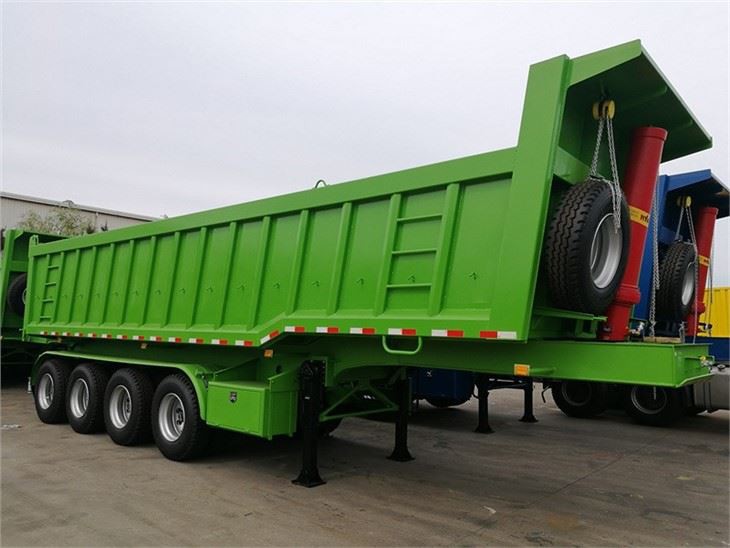
A dump semi-trailer operates through a combination of mechanical and hydraulic systems that facilitate the transportation and unloading of bulk materials such as sand, gravel, dirt, and construction debris. When the dump semi-trailer is filled with materials and ready for transport, the dump body is in a lowered position, resting on the mainframe of the trailer. The tractor, or prime mover, attaches to the fifth wheel of the trailer, and the two units operate as a single vehicle. The driver secures the connection, ensures all lights and signals are functioning correctly, and then proceeds to the destination. Upon reaching the delivery site, the driver prepares to unload the materials. Before initiating the dumping process, the driver must perform a safety check to ensure that the area is clear of people and obstacles. This is because the dumping operation can cause the contents to spread out quickly and potentially create hazards. The unloading process begins with the activation of the hydraulic system. The driver typically engages a hydraulic pump, which is often powered by the tractor's Power Take-Off (PTO). This pump generates the necessary pressure to operate the hydraulic cylinders. As the hydraulic pump circulates fluid through the system, it applies pressure to the cylinders, causing them to extend. The extension of the cylinders lifts the dump body at the rear, pivoting it upwards around the front axle or a designated pivot point known as the kingpin. The angle of the dump body can be controlled, allowing the operator to raise it to a specific height for complete unloading or to a tilted position to release only a portion of the load if needed. Gravity acts on the raised dump body, causing the materials inside to slide out and onto the ground or into a designated area. The smooth sides and sometimes the addition of a rubber or poly sheeting on the bottom of the dump body assist in the flow of materials and prevent spillage. Once the materials have been discharged, the driver reverses the hydraulic process by reducing the pressure in the system, allowing the cylinders to retract. This action lowers the dump body back down to its original position, making the trailer ready for loading again or for transportation in an empty state.
A dump truck and a dump semi-trailer are both types of commercial vehicles designed for transporting and unloading bulk materials, such as sand, gravel, dirt, and demolition debris. While they share similar purposes, there are significant differences between the two in terms of size, design, operation, and usage. One of the most apparent differences between a dump truck and a dump semi-trailer is their size and capacity. Dump trucks, also known as straight trucks, are typically smaller and have a lower capacity compared to dump semi-trailers. They consist of a single cab and chassis with a dump body mounted directly onto the frame. On the other hand, dump semi-trailers are larger and have a higher capacity, as they consist of a separate trailer that attaches to a tractor unit. This allows them to carry heavier loads and travel longer distances. Dump trucks are generally more maneuverable than dump semi-trailers due to their smaller size and shorter wheelbase. This makes them ideal for navigating tight spaces and urban environments. Dump semi-trailers, however, are larger and less maneuverable, but their greater capacity and ability to haul heavier loads make them more suitable for long-haul transportation. Another key difference between a dump truck and a dump semi-trailer is the presence of a tractor unit in the latter. A tractor unit is a separate vehicle that attaches to the trailer via a fifth wheel coupling. This allows the tractor unit to pull the trailer, enabling the transportation of larger and heavier loads over longer distances. Dump trucks, on the other hand, do not require a tractor unit and are self-contained vehicles. Due to their larger size and complexity, dump semi-trailers are generally more expensive to purchase and maintain than dump trucks. The additional components, such as the tractor unit and fifth wheel coupling, increase the overall cost and require specialized knowledge and equipment for maintenance and repair.
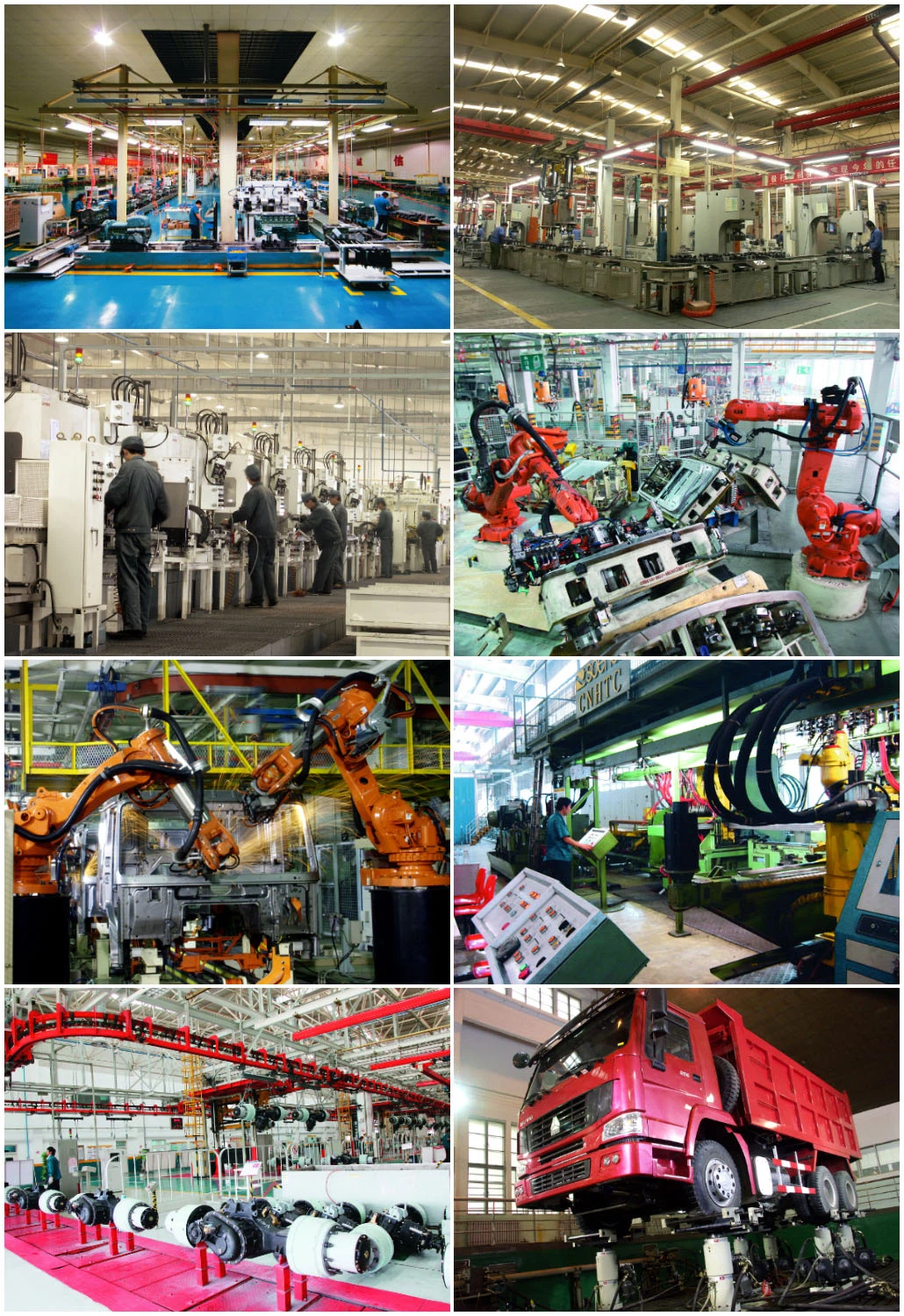
Our Factory
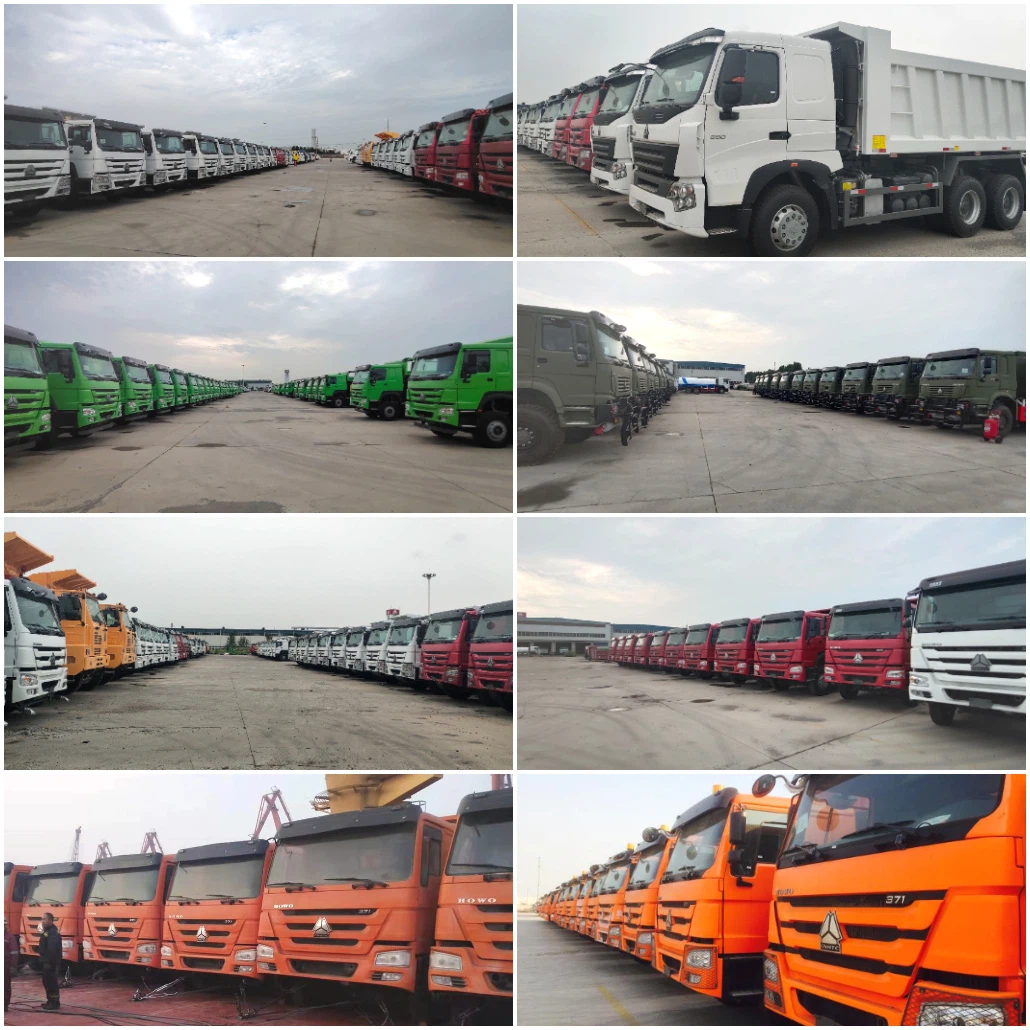
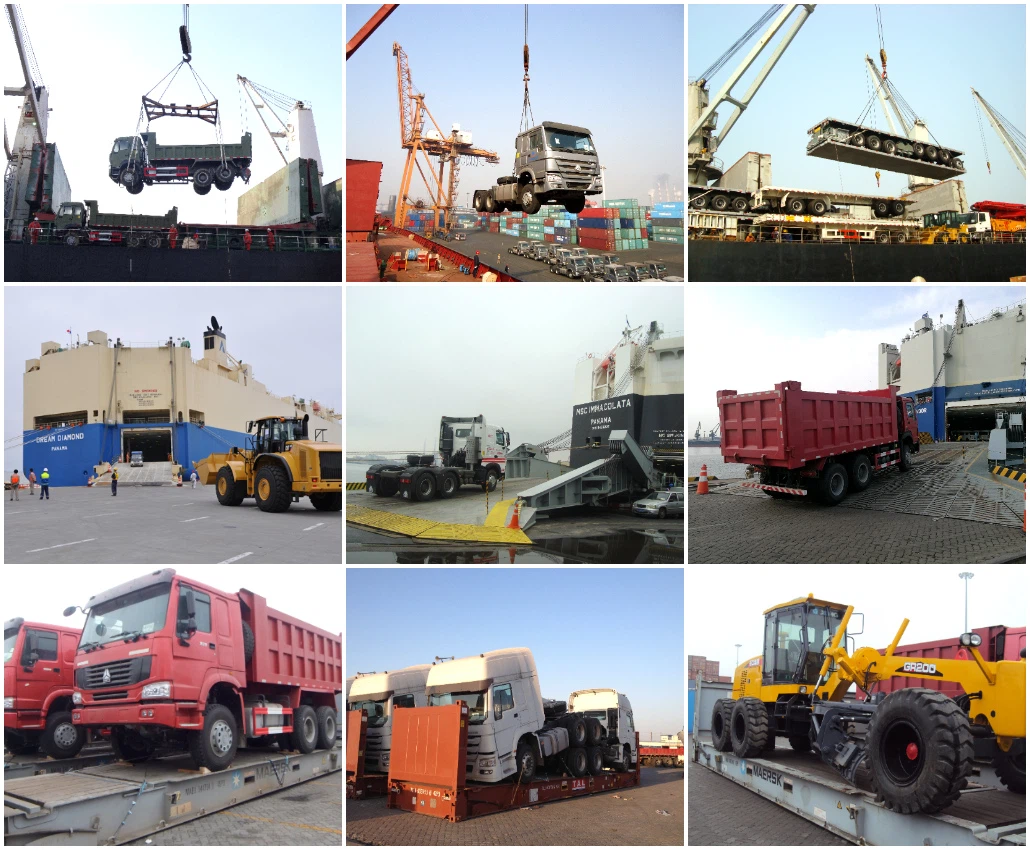
SINOTRUK SALES & SERVICE CO., LTD is export sales and service company for HOWO, HOWO A7 series trucks to world wide markets. China National Heavy Duty Truck Group Co. Ltd. (hereinafter referred to as the "SINOTRUK"), founded in 1956, is the cradle of heavy-duty automobile industry of China. Manufactured China's first heavy duty truck - the Yellow River brand JN150 8 tons of Cargo Truck in 1960; Successfully introduced Austria STEYR project, SINOTRUK is the first heavy automobile enterprise which bring in comprehensive introduction of overseas manufacturing technology. SINOTRUK was established following reform and restructuring in 2001and has become the domestic and foreign well-known heavy duty truck Research-Development and manufacturing enterprise group after almost 20 years of development.
FAQ
We're well-known as one of the leading dump semi trailer manufacturers and suppliers in China. Please feel free to wholesale high-grade dump semi trailer in stock here from our factory. All customized products are with high quality and competitive price. Contact us for more details.
semi truck flat bed trailer, used semi dry van trailers, new 53 trailers