


Mining Dump Truck
What Is Mining Dump Truck
A mining dump truck is a large, robust vehicle specifically designed for transporting massive amounts of material, such as ore, coal, and rock, from mines to processing facilities or waste disposal sites. These trucks feature sturdy construction to handle the harsh conditions of mining operations, including rugged terrain and heavy loads. They are equipped with powerful engines and large tires to navigate steep inclines and uneven surfaces while carrying significant weights. Mining dump trucks play a crucial role in the efficiency and productivity of mining operations.
Advantages of Mining Dump Truck
High load capacity
Mining dump trucks are engineered to carry massive loads, with capacities ranging from tens to hundreds of tons. This enables miners to transport significant volumes of material in fewer trips, reducing the number of vehicles required and optimizing the use of resources.
Enhanced productivity
The ability to move large amounts of material quickly and efficiently means that mining operations can maintain high levels of productivity. Faster cycle times between loading and unloading contribute to increased throughput and a shorter overall timeline for completing mining projects.
Robust design
Mining dump trucks are built to withstand the harsh conditions of mining environments, including rugged terrains, extreme temperatures, and exposure to abrasive materials. Their durable construction ensures longevity and reliability, reducing downtime and repair costs.
Customization options
Mining dump trucks often come with various customization options to meet specific operational requirements. This flexibility allows operators to select trucks with features that best suit their mining conditions, such as different types of tires, suspension systems, and body designs.
Advanced technology integration
Many modern mining dump trucks are equipped with advanced technologies that enhance safety, performance, and efficiency. These include gps tracking, automated driving systems, and real-time monitoring of truck health and operational data.
Economical operation
Despite their large size and capabilities, mining dump trucks can be economical to operate when used effectively. Their high load capacities and efficient engines mean that they consume less fuel per tonne of material transported compared to smaller or less specialized vehicles.
-
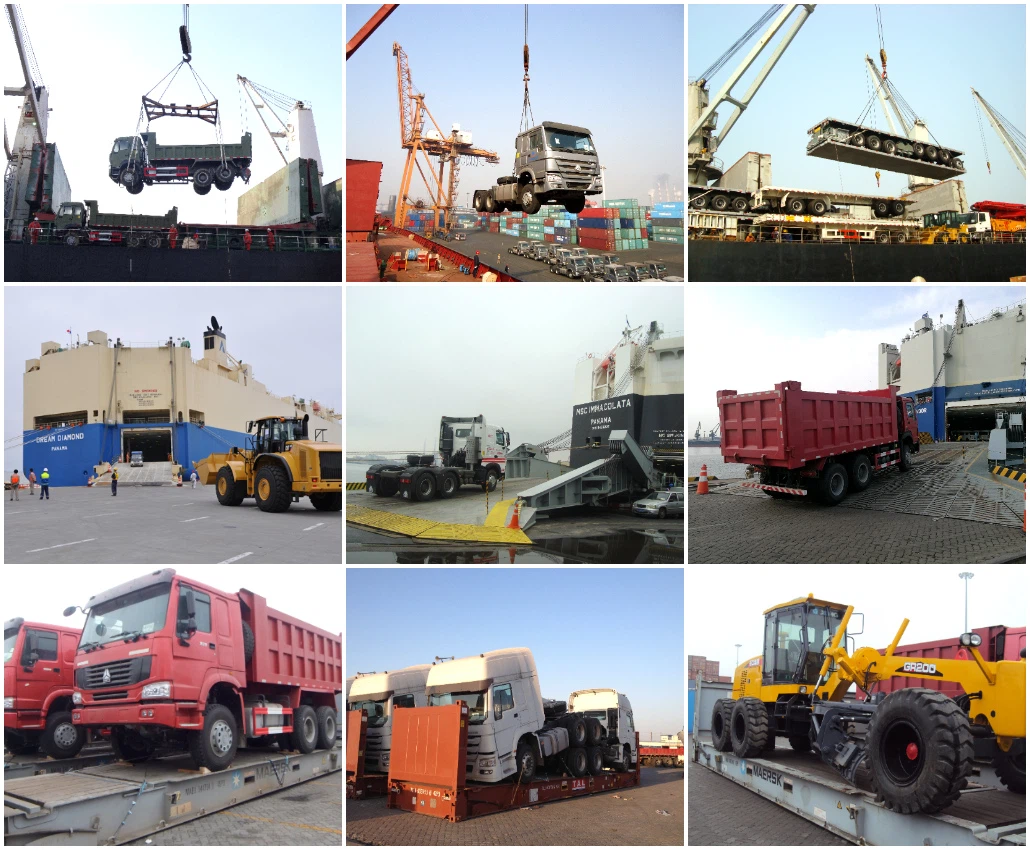
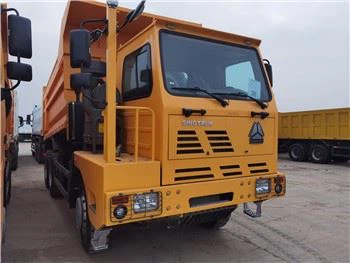 Mining Truckmining truck Packing and Shipping We will use tarpaulin to cover the truck to and protect truckAdd to Inquiry
 -
 HOWO Mining TruckModel: ZZ5707S3640AJ. Emission Standard: EURO II. Driving Type: 6x4 / 10 Wheels / 3 Axles. EngineAdd to Inquiry


- Tel: +8616678784677
- Email: export@sinotruks.net.cn
- Add: No.17670, Panwang Road, Zhangqiu District, Jinan City, Shandong Province, China.
Why Choose Us
High quality
Our products are manufactured or executed to a very high standard, using the finest materials and manufacturing processes.
Advanced equipment
A machine, tool or instrument designed with advanced technology and functionality to perform highly specific tasks with greater precision, efficiency and reliability.
Quality control
We have built a professional quality control team to accurately inspect every raw material and every production process.
Customized services
We understand that each customer has unique manufacturing needs. That’s why we offer customization options to cater to your specific requirements.
One-stop solution
At our manufacturing facilities, we provide a complete package that includes everything required to get you started, including training, installation and support.
24H online service
We try and respond to all concerns within 24 hours and our teams are always at your disposal in case of any emergencies.
Types of Mining Dump Truck
Off-highway articulated dump trucks (adts)
These are highly maneuverable trucks with a hinge joint between the cab and the dump body. They are designed to handle rough terrain and tight turns, making them ideal for operations in confined spaces. Articulated dump trucks have a high ground clearance and four-wheel drive, which provides excellent traction in off-road conditions.
01
Rigid frame dump trucks
Unlike adts, rigid frame dump trucks have a fixed chassis and cab that do not swivel. They are typically larger than articulated trucks and can carry heavier loads. Rigid frame dump trucks are often used in large-scale mining operations where the terrain is relatively stable and the distances to be covered are long.
02
Mine haul trucks
These are some of the largest and most powerful dump trucks in existence. They are specially designed for open-pit mining operations and can carry extremely heavy loads over long distances. Mine haul trucks are equipped with massive engines and robust frames to handle the harsh conditions of mining sites.
03
Underground mining trucks
These trucks are specifically designed for use in underground mines where space is limited and the environment is more hazardous. They are smaller in size than surface mining trucks and are often battery-powered to minimize exhaust fumes in enclosed spaces.
04
Electric dump trucks
Electric dump trucks are becoming increasingly popular due to their environmental benefits and lower operating costs. They are powered by electric motors and batteries, which produce zero emissions and require less maintenance than diesel engines. Electric dump trucks are particularly well-suited for underground mining operations where ventilation is a concern.
05
How to Store Mining Dump Truck


Clean the truck
Before storage, thoroughly clean the exterior and interior of the dump truck. Remove any dirt, debris, or spilled material. Wash off mud, grease, and grime, paying special attention to the undercarriage, wheels, and dump body. A clean truck not only looks better but also reduces the risk of rust and corrosion.
Inspect and repair
Perform a comprehensive inspection of the truck, checking for any damage, leaks, or worn parts. Address any necessary repairs before storage to prevent issues from worsening during prolonged inactivity. This may include fixing hydraulic leaks, replacing worn tires, or repairing mechanical faults.
Lubricate moving parts
Apply lubricant to all moving parts, including hinges, joints, and linkages. This helps to prevent rust and ensures that the truck starts easily after being stored for an extended period.
Top off fluids
Check and top off all fluid levels, including engine oil, coolant, brake fluid, transmission fluid, and hydraulic fluid. This prevents condensation and rust buildup inside the engine and other components.
Fuel management
If you plan to store the dump truck for more than a month, add a fuel stabilizer to the tank to prevent fuel deterioration. Then, run the engine for a few minutes to ensure the stabilizer circulates throughout the fuel system.
Disconnect batteries
To prevent battery drainage, disconnect the negative terminal of the batteries. Alternatively, you can use a trickle charger to keep the batteries charged during long-term storage.
Park on level ground
Park the dump truck on level ground and engage the parking brake. This helps to prevent flat spots on the tires and keeps the truck stable during storage.
Cover the truck
Use a heavy-duty cover to protect the truck from dust, moisture, and uv radiation. Ensure that the cover fits snugly and does not trap water underneath, which could lead to rust and corrosion.
Store in a dry location
Ideally, store the mining dump truck indoors in a dry location, such as a garage or warehouse. If outdoor storage is unavoidable, choose a shaded area away from direct sunlight and precipitation.

Mining dump trucks play a pivotal role in the extraction and transportation process within the mining industry. Their primary application is the movement of bulk material from the point of excavation to processing facilities, storage areas, or disposal sites. The efficiency and effectiveness of these vehicles are crucial to maintaining productivity and reducing operational costs in mining operations. The most common application of mining dump trucks is in open-pit mines, where they transport extracted material such as coal, ore, and rock. These trucks operate continuously, often around the clock, to move large quantities of material quickly and efficiently. The use of mining dump trucks in open-pit mines is facilitated by their ability to navigate rough terrain and carry heavy loads over long distances. In underground mines, mining dump trucks are used to transport waste rock and other materials to the surface. These trucks are smaller and more maneuverable than their surface counterparts, allowing them to navigate through narrow tunnels and confined spaces. The use of electric dump trucks in underground mines is particularly beneficial due to their lack of exhaust fumes and lower noise levels, which improve working conditions and safety. Mining dump trucks are also used in construction and infrastructure projects, such as road building and dam construction. They are used to transport large quantities of aggregate, such as gravel and sand, to construction sites. The use of mining dump trucks in construction projects is facilitated by their ability to carry heavy loads and their ability to operate in harsh conditions, such as muddy terrain and steep slopes. The application of mining dump trucks is not limited to the transportation of material. They are also used in the removal of overburden, which is the layer of soil and rock that covers valuable ore deposits in open-pit mines. Mining dump trucks are used to remove this overburden and expose the underlying ore for extraction.
Precautions When Using Mining Dump Truck
Regular maintenance
Regular maintenance and inspections are essential to ensure that the mining dump truck is in good working condition. Check the brakes, steering, lights, and other critical components regularly, and address any issues promptly.
Safety equipment
Operators should always wear appropriate safety equipment, including helmets, gloves, and steel-toed boots. This helps to protect them from injury in case of an accident or malfunction.
Speed limitations
Mining dump trucks are designed for slow speeds due to their large size and heavy loads. Operators should adhere to speed limits and avoid sudden acceleration or braking to prevent tipping or rollovers.
Loading and unloading precautions
When loading and unloading the dump truck, follow established procedures to ensure safety. Do not overload the truck, and use caution when raising and lowering the dump body to prevent collisions or spills.
Visibility and communication
Mining dump trucks have limited visibility due to their size and shape. Operators should use horns, lights, and other signals to communicate with other workers and vehicles on the job site. It is also important to maintain a safe distance from other equipment and obstacles.
Road conditions
Be aware of road conditions and adjust your driving accordingly. Avoid rough terrain, potholes, and steep inclines whenever possible. In poor weather conditions, reduce your speed and increase following distances to maintain control of the vehicle.
Refueling precautions
When refueling the mining dump truck, follow established procedures to prevent spills and fires. Do not smoke near the fueling area, and use caution when handling flammable materials.
Storage
After using the mining dump truck, store it in a secure location away from other equipment and hazards. Ensure that the truck is parked on level ground with the dump body lowered and the parking brake engaged. Cover the truck with a heavy-duty tarp to protect it from the elements.
How Do I Choose the Right Mining Dump Truck
Capacity and payload
The first factor to consider is the capacity and payload of your mining dump truck. Payload refers to the maximum weight of material a truck can safely transport, while capacity refers to the volume of material the dump truck body can carry. Depending on the size and scale of your mining operation, you must choose a truck with the capacity and payload to meet your specific requirements.
Terrain and operating conditions
The terrain and operating conditions of your mine will significantly affect the type of mining dump truck you require. If your site has rough terrain, uneven surfaces, or steep slopes, you may want a truck with four-wheel drive, high ground clearance, and a sturdy suspension system. If your site is relatively flat and stable, you may be able to use a smaller, lighter truck.
Fuel efficiency
Fuel efficiency is another key factor to consider when choosing a mining dump truck. Diesel-powered trucks are generally more fuel-efficient than electric or hybrid trucks, but produce more emissions. Electric and hybrid trucks produce lower emissions and use less fuel, but may require more frequent battery charging or maintenance. Consider the balance between fuel efficiency and environmental impact when choosing a truck.
Maintenance and reliability
Mining dump trucks are subject to extreme conditions and heavy loads, so choosing a truck that is reliable and easy to maintain is crucial. Look for trucks with solid components, a reputation for reliability and a comprehensive service network. Regular maintenance and upkeep is essential to ensure the longevity and performance of your truck.
Production Methods of Mining Dump Truck
Material selection
Selecting the right materials is crucial for the durability and performance of mining dump trucks. High-strength steel, aluminum alloys, and composites are commonly used for the chassis, body, and other structural components due to their strength-to-weight ratios and resistance to wear and tear. Materials must be chosen based on their ability to withstand extreme temperatures, harsh chemicals, and abrasive environments typically found in mining sites.
Cutting and forming
The selected materials are cut to shape using techniques like laser cutting, plasma cutting, or oxy-fuel cutting. Sheet metal is then formed into the desired shapes through processes such as stamping, rolling, or bending.
Welding
Welding is a fundamental part of the manufacturing process for mining dump trucks. It involves joining metal parts together to form a strong, seamless structure. Techniques like gas metal arc welding (gmaw), submerged arc welding (saw), and tungsten inert gas (tig) welding are commonly employed.
Machining
Machining processes such as milling, drilling, and turning are used to create precise components with tight tolerances. Computer numerical control (cnc) machines are often utilized to improve accuracy and efficiency.
Assembly
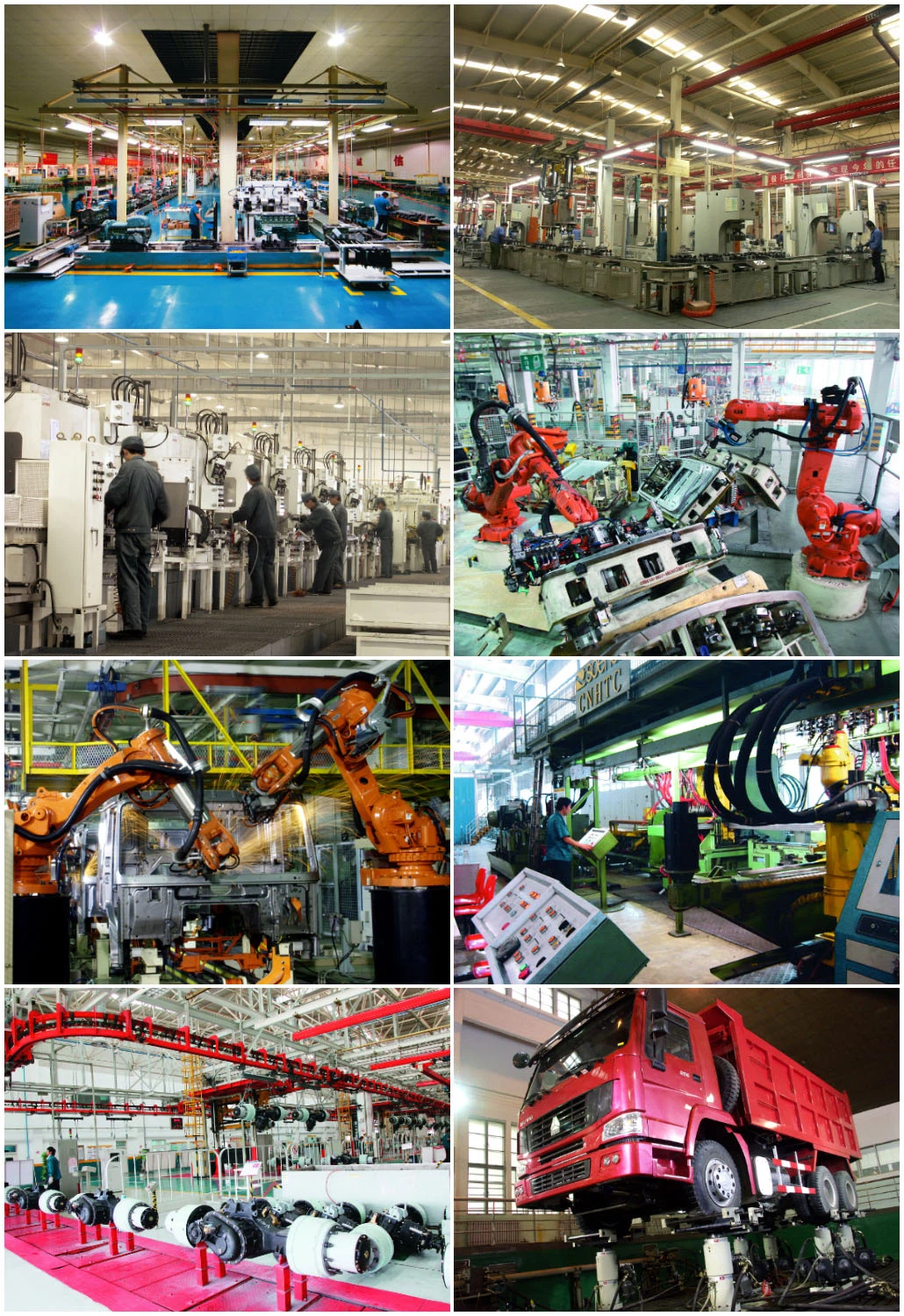
Once the individual components are manufactured, they are assembled into subassemblies and eventually the complete dump truck. This process includes attaching the frame, axles, suspension, engine, transmission, hydraulic systems, and other components. Assembly is typically performed in a series of stations, with each station dedicated to specific tasks.
Testing and quality control
After assembly, each mining dump truck undergoes rigorous testing to ensure it meets the required specifications and safety standards. Tests may include performance tests, load capacity tests, and emissions tests. Quality control measures are integrated throughout the production process to identify and correct defects before they become problems.
Finishing touches
The finished dump truck receives final touches, such as painting and the application of decals or markings. The paint must be durable enough to withstand the harsh mining environment and may include specialized coatings for corrosion protection.
What Are the Components of Mining Dump Truck
Engine
The engine is the heart of the mining dump truck, providing the power necessary to move massive loads. Typically, these engines are diesel-powered, known for their durability and ability to perform in tough conditions. High-horsepower engines are common in mining dump trucks to accommodate the heavy demands of hauling.
Transmission
The transmission system translates the power generated by the engine into motion. In mining dump trucks, automatic transmissions are common, as they can handle the high torque and shifting demands without driver intervention. Some larger models may have multiple axles and gears to manage the varying terrains and loads.
Chassis
The chassis is the framework of the mining dump truck, supporting all other components. It must be strong enough to handle the weight of the loaded truck and withstand the stresses of off-road travel. The chassis typically includes a ladder frame design for added strength.
Dump body
The dump body is where the material is loaded and unloaded. It must be designed to hold the maximum load capacity of the truck and to tip easily to unload the material. The body is usually made of steel or another durable material to resist wear and tear from abrasive materials.
Hydraulic system
Hydraulics are used to raise and lower the dump body. The system consists of pumps, valves, hoses, and cylinders that work together to lift the body and release the material. Proper hydraulic system maintenance is crucial for the safe operation of the truck.
Wheels and tires
Mining dump trucks typically have large, rugged tires that can handle the rough terrain and heavy loads. The tires are designed to provide traction and support the weight of the truck. They often have reinforced sidewalls and tread patterns suitable for off-road use.
Braking system
Given the size and weight of mining dump trucks, braking systems are critical for safety. They typically include air brakes, disc brakes, or a combination of both. The brakes must be powerful enough to stop the truck quickly and effectively, even when fully loaded.
Suspension
The suspension system absorbs shocks and vibrations from rough terrain, improving ride comfort and stability. It typically includes leaf springs, coil springs, shock absorbers, and other components that work together to cushion the ride.
Lighting and electrical systems
Proper lighting is essential for safe operation in low-light conditions or at night. Mining dump trucks are equipped with headlights, tail lights, brake lights, and turn signals. The electrical system also powers other components such as the horn, gauges, and controls inside the cab.

Mining dump trucks are categorized based on their size, which directly correlates with their carrying capacity. The categories range from small, medium, to large, with each class having its own set of standard sizes and capacities. The smallest dump trucks might carry around 30 tons, while the largest ones can handle over 400 tons of material. The payload capacity refers to the maximum weight that a mining dump truck can carry in its dump body. This figure does not include the weight of the truck itself, fuel, water, lubricants, or the driver. Payload capacities for mining trucks can vary from approximately 45 to over 360 metric tons. GVW is the total weight of the fully loaded vehicle, including the truck's empty weight, fuel, fluids, and cargo. For instance, if a mining dump truck has a GVW of 550 tons, and its empty weight is 200 tons, then its payload capacity would be 350 tons. The design of the dump body affects the truck's carrying capacity. Larger bodies allow for more material to be carried, but they also require more powerful engines and stronger frames to handle the increased weight. The shape and depth of the body can also influence how efficiently the material is loaded and unloaded. A more powerful engine can handle heavier loads. Engine power and torque are critical in ensuring that the truck can move the loaded material uphill or on uneven terrain without becoming stuck or losing momentum. The number of axles on a mining dump truck contributes to its carrying capacity. More axles distribute the weight more evenly across the truck, allowing for a higher payload. Some large dump trucks have as many as 12 or more wheels arranged in multiple axles. Large, robust tires are necessary for handling the immense weight of the loaded truck. The tire size and strength must match the truck's capacity to prevent failures under the strain of heavy loads. A well-designed suspension system can support a higher payload by absorbing shocks and distributing the weight evenly across the truck's axles. It also ensures better stability and reduces wear on the truck's components.
Mining dump trucks come in a variety of sizes, each designed to meet the specific needs of different mining operations. The size of a mining dump truck is typically measured by its length, width, height, and payload capacity. The length of a mining dump truck can vary depending on its size and type. Smaller models may be around 10 meters long, while larger ones can be up to 20 meters or more in length. The length of the truck includes the body, wheels, and other components. The width of a mining dump truck is also variable, depending on its size and type. Smaller models may be around 4 meters wide, while larger ones can be up to 8 meters or more in width. The width of the truck includes the body, wheels, and other components. The height of a mining dump truck is typically around 5 meters or more, depending on its size and type. The height includes the body, wheels, and other components. The payload capacity of a mining dump truck is the amount of material it can carry. This can vary significantly depending on the size and type of the truck. Smaller models may have a payload capacity of around 100 tons, while larger ones can carry over 400 tons of material. It's important to note that these are just typical dimensions for a mining dump truck, and actual dimensions can vary depending on the manufacturer and model. Additionally, the size of a mining dump truck is not the only factor to consider when selecting a vehicle for a particular mining operation. Other factors, such as the type of material being transported, the distance between the mine and the processing plant, and the terrain, can also impact the choice of a mining dump truck.
Our Factory
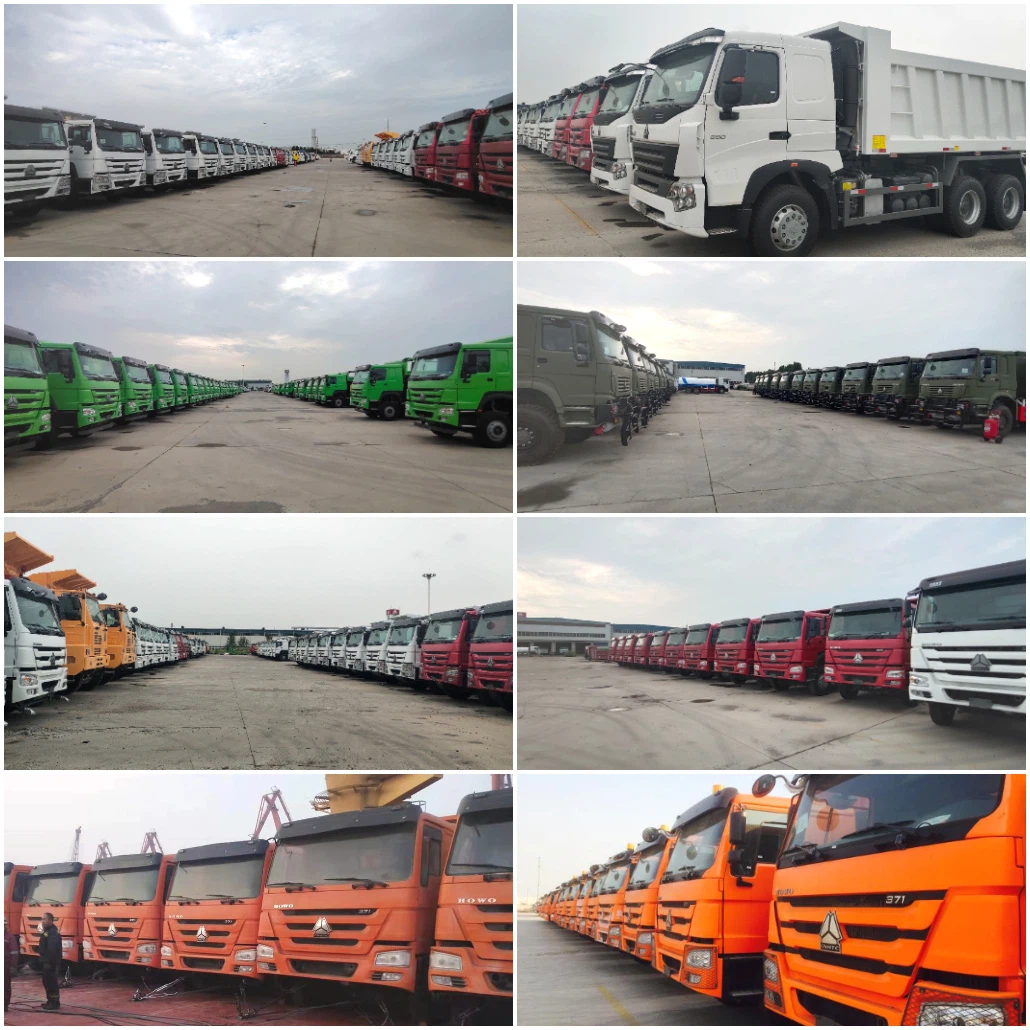
SINOTRUK SALES & SERVICE CO., LTD is export sales and service company for HOWO, HOWO A7 series trucks to world wide markets. China National Heavy Duty Truck Group Co. Ltd. (hereinafter referred to as the "SINOTRUK"), founded in 1956, is the cradle of heavy-duty automobile industry of China. Manufactured China's first heavy duty truck - the Yellow River brand JN150 8 tons of Cargo Truck in 1960; Successfully introduced Austria STEYR project, SINOTRUK is the first heavy automobile enterprise which bring in comprehensive introduction of overseas manufacturing technology. SINOTRUK was established following reform and restructuring in 2001and has become the domestic and foreign well-known heavy duty truck Research-Development and manufacturing enterprise group after almost 20 years of development.
FAQ
We're well-known as one of the leading mining dump truck manufacturers and suppliers in China. Please feel free to wholesale high-grade mining dump truck in stock here from our factory. All customized products are with high quality and competitive price. Contact us for more details.
waste tanker, chemical truck, triaxial truck