


Mixer Truck
What is Mixer Truck?
A cement truck, often referred to as a cement mixer, is a heavy-duty vehicle used in the construction industry. They carry ready-mixed concrete to building or construction sites. The mixer truck features a mixing drum and specialised mixing mechanisms. Concrete is mixed inside the rotating drum.
Benefits of Mixer Truck
Savings time
The time savings offered by concrete Mixer Truck means that any supplier worth their salt can offer same day and next day deliveries. This is an indispensible service when working a construction project to a tight deadline or when your original concrete supplier has let you down. Simply get in touch to discuss same day availability.
Capacity
Our Mixer Truck transport concrete from 0.5 cubic metres in volume to 8 cubic metres. This means we can make less trips and transport more concrete than ever. It’s very convenient and also requires less fuel, which helps reduce CO2 emissions.
Low cost
The time you save with a concrete mixing truck loaded with readymix concrete is reflected in the labour costs and savings. Choosing not to mix onsite can save hours of work and your workforce will be happier, too for taking the less labour intensive option.
Spend less budget
When you rent a mobile Mixer Truck, you have complete control over your concrete delivery. Your flexibility to only pay for what you need allows you to save a lot of money on your projects.
-

-
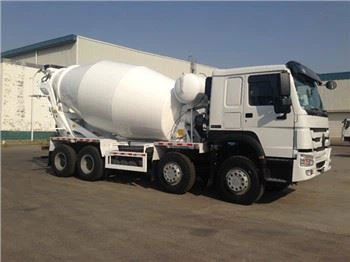 HOWO 8X4 Mixer TruckModel:ZZ5317GJBN36 Cabin:HW76 cabin with one sleeper and A/C Engine:WD615.47,371HP, EURO IIAdd to Inquiry
 -
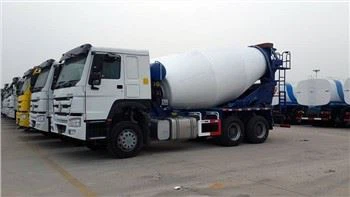 Concrete Mixer TruckBrand: SINOTRUK HOWO. Model: ZZ5257GJBN4041W. Emission Standard: EURO II, EURO III, EURO IV, EUROAdd to Inquiry
 -
 Howo Mixer TruckBrand: SINOTRUK HOWO. Model: ZZ5257GJBN4041W. Emission Standard: EURO II, EURO III, EURO IV, EUROAdd to Inquiry
 -
 HOWO 6x4 Mixer TruckBrand: SINOTRUK HOWO. Model: ZZ5257GJBN4041W. Emission Standard: EURO II, EURO III, EURO IV, EUROAdd to Inquiry
 -
 HOWO 8x4 Mixer TruckBrand: SINOTRUK HOWO. Model: ZZ1317S3261W. Emission Standard: EURO II, EURO III, EURO IV, EURO V.Add to Inquiry


- Tel: +8616678784677
- Email: export@sinotruks.net.cn
- Add: No.17670, Panwang Road, Zhangqiu District, Jinan City, Shandong Province, China.
Why Choose Us?
SINOTRUK technology development center, among China's first group of national corporate technical center, has a testing laboratory, which is accredited by Chinese National Accreditation Board, is qualified to develop and test vehicle, engine, parts material processes, owns sophisticated processing and testing equipment, and has been up to advanced world standards in terms of equipment such as engine, vehicle, parts vibration and strength test equipment.
2009, upon approval by the State, the National Heavy-duty Truck Engineering Research Center was inaugurated in SINOTRUK, which undertakes functions such as technical R & D, application demonstration, achievement popularization and technical service in China's heavy-duty truck industry. In 2009, with approval by the state, the National Heavy Duty Automobile Engineering Research Center was inaugurated in SINOTRUK, it undertakes functions such as technology R&D, application demonstration, achievement generalization, technical service of China Heavy Duty Truck industry.
We primarily organize the development, manufacturing and sale of trucks, special trucks, buses, special vehicles, engines and engine units, auto parts and special chassis. We have vehicle enterprises, engine enterprises, axle enterprise, as well as transmission enterprises.
With overwhelming superiorities in technology and market in heavy duty truck industry, SINOTRUK has achieved remarkable sales both domestic and abroad, our products have been exported to more than 90 countries world wide, thus being accredited as a national vehicle export base by the National Development and Reform Commission and the Ministry of Commerce.
Concrete mixers come in different types. There are predominantly two different types of mixers that operate in a construction site.
Batch mixer: These mixers focus on preparing concrete one batch at a time. There is a lot of control in regards to the angle of the drum and the blades. For smaller or medium-sized construction jobs, these are the likely go-to. These batch mixers can have different types of drums including the tilting drum, non-tilting drum, reversing drum, or pan mixer.
Continuous mixer: These are ideal for larger tasks, as they continuously mix the concrete so that it stays fresh. So the drum continues mixing as construction workers require the material. This way, it is not just sitting there for long periods.


Concrete mixers, also commonly known as cement mixers, range from large commercial mixing trucks to small portable mixers, which may be referred to as “mini mixers." Commercial concrete mixers are typically used for mixing and transporting large volumes of concrete to a building site. For batches of concrete up to two cubic yards (1.83 cubic meters), portable concrete mixers are sufficient. Portable concrete mixers are commonly powered with electricity, and are situated on a base with wheels for providing easy transport.
How Do Cement Mixer Truck?
One of the challenges of working with concrete is that in order for it to be brought from the batch plant to the job site it must remain liquid so it can be easily poured on site. Dried concrete is extremely difficult to manage and will be almost impossible to pour and remove from the truck. Cement trucks deal directly with this issue. The barrel, also known as the drum, prevents the concrete from drying as blades and the turning of the drum continuously mix the concrete throughout transportation. This process is called charging.
The process of pouring the concrete involves using specifically designed chutes that discharge the concrete from the truck. The blades that are used to mix the concrete are put in reverse which helps to push the concrete out. Cement trucks have two different variations when it comes to the pouring process:
Rear-discharge variation - This type of cement truck requires a worker to operate at the rear of the truck and control the chutes to pour the concrete in the appropriate area.
Front-discharge variation - This version of cement truck allows the operator to drive into the job site and control the concrete pour from within the cab. On job sites where it is not possible to drive in, the concrete is poured from a pump that extends out of the truck.
Safety Operation Rules
The time for concrete mixer truck to transport concrete shall not exceed the time specified by the mixing station. During the transportation of concrete, the mixing drum shall not be stopped for a long time to prevent segregation of the concrete. The driver should always observe the concrete condition, and report to the dispatching room if any abnormality is found, and apply for handling.
-
The automobile part of the concrete mixer truck shall comply with the general safety technical requirements of automobiles.
-
The fuel, lubricating oil, hydraulic oil, brake fluid, cooling water, etc. of the concrete mixer truck should be adequately added, and the quality should meet the requirements.
-
Check the power output device and confirm that there is no loose bolts or bearing oil leakage.
-
When mixing and transporting, the loading capacity of concrete shall not exceed the rated capacity.
-
Before starting the mixer truck, put the mixer drum operating handle in the "stop" position.

4 key points for regular maintenance
-
Engine and transmission inspections
-
Brake system checks
-
Tire maintenance and rotation
-
Lubrication and fluid level checks

If you work in the construction industry, you're likely well aware of the importance of having the right tools and equipment for the job. One such piece of machinery that is essential for any construction project that involves mixing concrete is a concrete mixer truck. These trucks offer a wide range of benefits that can help improve efficiency, quality, and safety on the job site. In this article, we'll explore the many benefits of concrete mixer trucks and why they're an essential tool for any construction crew.
Understanding Concrete Mixer Trucks
A concrete mixer or truck mixer is a large vehicle that is designed to mix and transport concrete from one location to another. These trucks are commonly used in the construction industry for a variety of projects, including the construction of buildings, bridges, and roads. The use of concrete mixer trucks has revolutionized the construction industry, making it easier and more efficient to transport and mix large quantities of concrete.
One of the key benefits of using a concrete mixer truck is that it allows for consistent and high-quality concrete mixes. The mixing process in cement trucks is controlled by the operator, who can adjust the speed and rotation of the drum to ensure that the concrete is thoroughly mixed. This helps to prevent inconsistencies in the mix, which can lead to weak spots in the finished product.
Components of a Concrete Mixer Truck
Several key components make up a concrete mixer truck. These include the drum, mixer blades, water tank, and hydraulic system. The drum is the most important component as it is responsible for mixing and transporting concrete. The mixer blades are attached to the inside of the drum and help to mix the concrete as it rotates. The water tank holds the water that is added to the concrete mixers, while the hydraulic system powers the mixer blades and tipping mechanism that empties the drum at the job site.
The design of the drum is critical to the performance of the concrete mixer truck. The drum is typically made of steel and is designed to withstand the wear and tear of the mixing process. The size of the drum can vary depending on the size of the concrete mixing truck, with larger trucks typically having larger drums. The mixer blades are also an important component, as they help to ensure that the concrete is thoroughly mixed.
How Concrete Mixer Trucks Work
The way that loading a concrete mixer truck works is relatively simple. Once the concrete mix has been loaded into the drum, the mixer blades will begin to rotate, evenly mixing the cement, sand, and water. As the drum spins, the concrete is transported to the job site where it can be poured directly into the forms. Once the concrete has been poured, the truck can return to the batching plant to be refilled with a new batch of concrete, ready for the next pour.
Concrete mixer trucks come in a variety of sizes and configurations, with some trucks capable of carrying as much as 11 cubic yards of concrete. The size of the concrete delivery truck will depend on the specific needs of the project, with larger projects requiring larger trucks. The use of concrete mixer trucks has become an essential part of the construction industry, helping to streamline the process of mixing and transporting concrete.
Advantages of Using Concrete Mixer Trucks
Concrete is one of the most widely used construction materials, and it's essential to have the right tools and equipment to ensure that your project is completed efficiently and effectively. One of the most valuable tools in the construction industry is a concrete mixer truck, which offers numerous benefits that can help boost productivity and profitability.
Improved Efficiency and Productivity
As mentioned earlier, one of the most significant advantages of using a concrete mixer truck is improved efficiency and productivity. With a mixer truck on site, you can save time and effort by eliminating the need for manual mixing methods. The truck can mix large amounts of concrete in a single load, which means you can get the job done quicker and move on to the next project faster. This can help you complete more projects in less time, increasing your overall productivity and profitability.
Consistent Concrete Quality
Another major advantage of using a concrete mixer truck is that it helps ensure consistent concrete quality. The mixer blades inside the drum rotate at a set speed, which ensures that all of the ingredients are evenly mixed. This means you'll get a consistent batch of concrete every time, which is essential when working on a large construction project where quality is vital. Consistent concrete quality can also help you avoid costly mistakes and rework, saving you time and money in the long run.
Applications of Concrete Mixer Trucks
Residential Construction Projects
Concrete mixer trucks are commonly used for residential construction projects, such as building foundations, patios, and driveways. With a mixer truck on site, you can quickly and easily mix and transport the concrete needed for the project, making it a more efficient and cost-effective option.
Commercial Construction Projects
Concrete mixer trucks are also commonly used for larger commercial construction projects, such as building parking structures and high-rise buildings. With a mixer truck on site, you can ensure a consistent supply of quality concrete, allowing you to keep the project moving and on schedule.
Infrastructure Development
Concrete mixer trucks are essential for infrastructure development projects, such as building highways, bridges, and other transportation structures. With the ability to mix and transport concrete quickly and efficiently, these vehicles are vital for completing these types of large-scale projects on time and budget.
Conclusion
In conclusion, a concrete mixer truck is an indispensable tool for any construction crew that works with concrete. With the ability to mix and transport large quantities of concrete quickly and efficiently, these vehicles offer a wide range of benefits that can help improve productivity, quality, and safety on the job site. Whether you're working mixed concrete on a small residential project or a large-scale commercial construction site, a concrete mixer truck is a valuable asset that can help you get the job done right.
Our Factory
SINOTRUK technology development center, among China's first group of national corporate technical center, has a testing laboratory, which is accredited by Chinese National Accreditation Board, is qualified to develop and test vehicle, engine, parts material processes, owns sophisticated processing and testing equipment, and has been up to advanced world standards in terms of equipment such as engine, vehicle, parts vibration and strength test equipment.


FAQ
Q: What does a truck mixer do?
Q: What is a mixer truck called?
Q: What are the advantages of a mixer truck?
Q: Why would you need a mixer?
Q: How often should you clean a mixer?
Q: What happens if concrete hardens in the truck?
Q: How are concrete mixer trucks cleaned?
Q: When was the mixer truck invented?
Q: How many yards of concrete can a mixer truck hold?
Q: What is the gross weight of a mixer truck?
Q: How much concrete is in a concrete mixer truck?
Q: How long can concrete sit in a truck before it goes bad?
Q: What do concrete trucks do with leftover concrete?
Q: How far can a concrete truck reach without a pump?
Q: What is inside a cement mixer truck?
Q: Why do cement trucks spin?
Q: How high can a concrete truck pour?
Q: What is a concrete truck called?
Q: How thick should a concrete slab be for a truck?
Q: How much does a mixer truck weigh empty?
We're well-known as one of the leading mixer truck manufacturers and suppliers in China. Please feel free to wholesale high-grade mixer truck in stock here from our factory. All customized products are with high quality and competitive price. Contact us for more details.
self loading cement truck, cargo van box truck, HOWO 6x4 Mixer Truck